A FUNDAMENTAL
RETHINK OF FASHION
THE PROBLEM
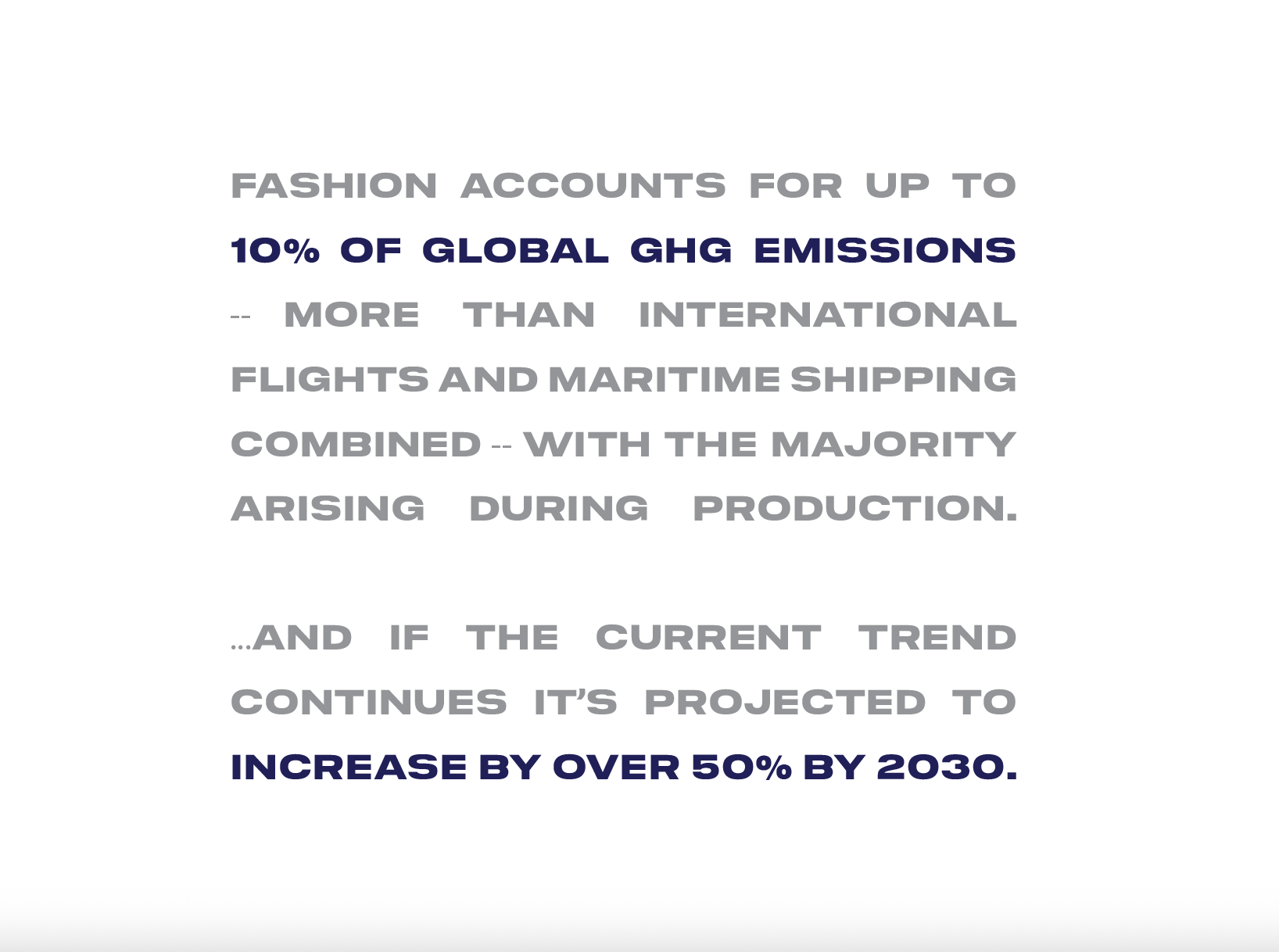

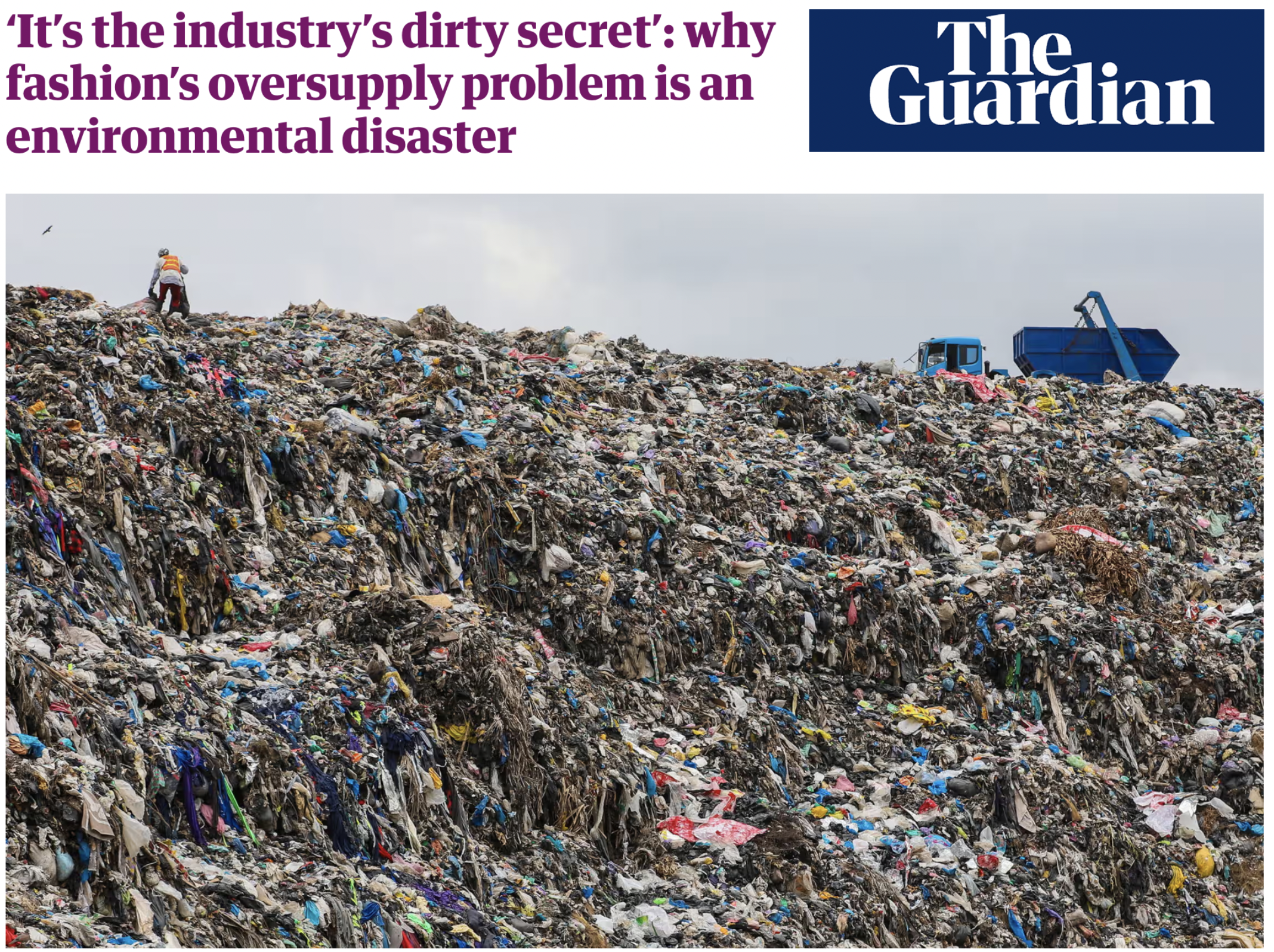
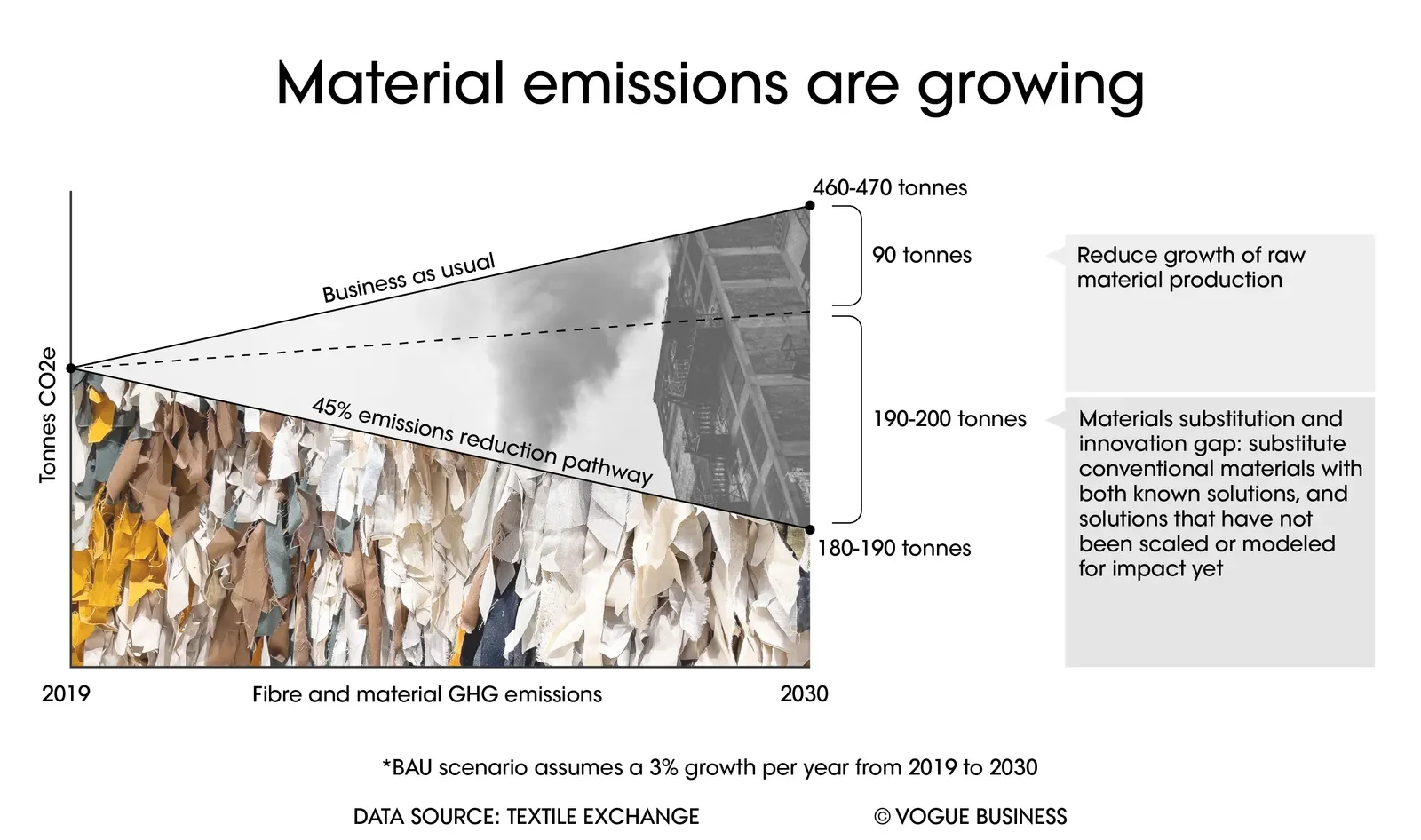
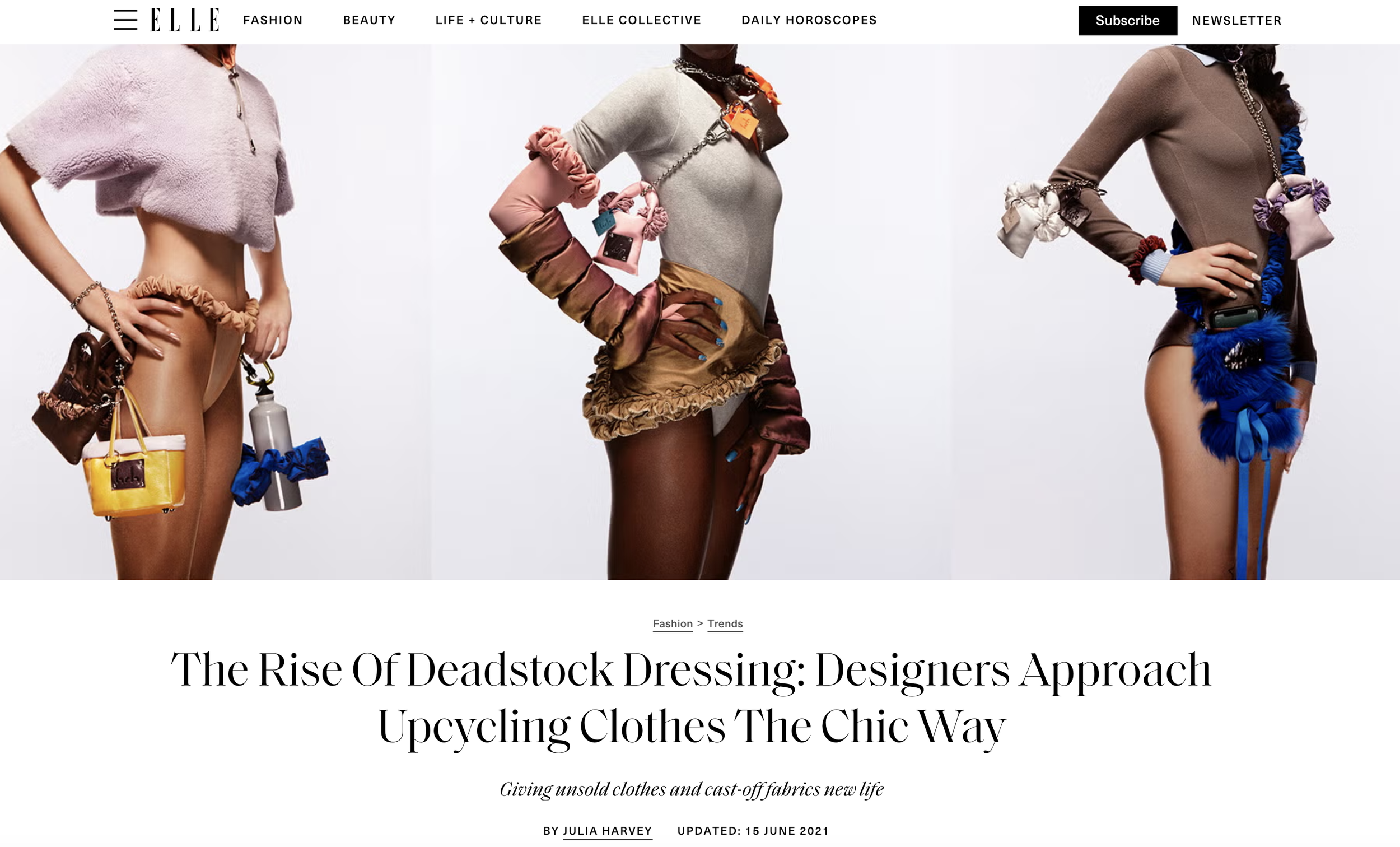
Traditional fashion production is efficient but wasteful, toxic and environmentally damaging by nature.Recent trends indicate a growing consumer desire for unique, personalized fashion over mass-produced items. Vogue BusinessAnd sustainability matters. A recent report reveals that 82% of consumers across various age groups are willing to pay more for products marked sustainable, with 90% of Gen-Z consumers expressing this preference. The Times UK
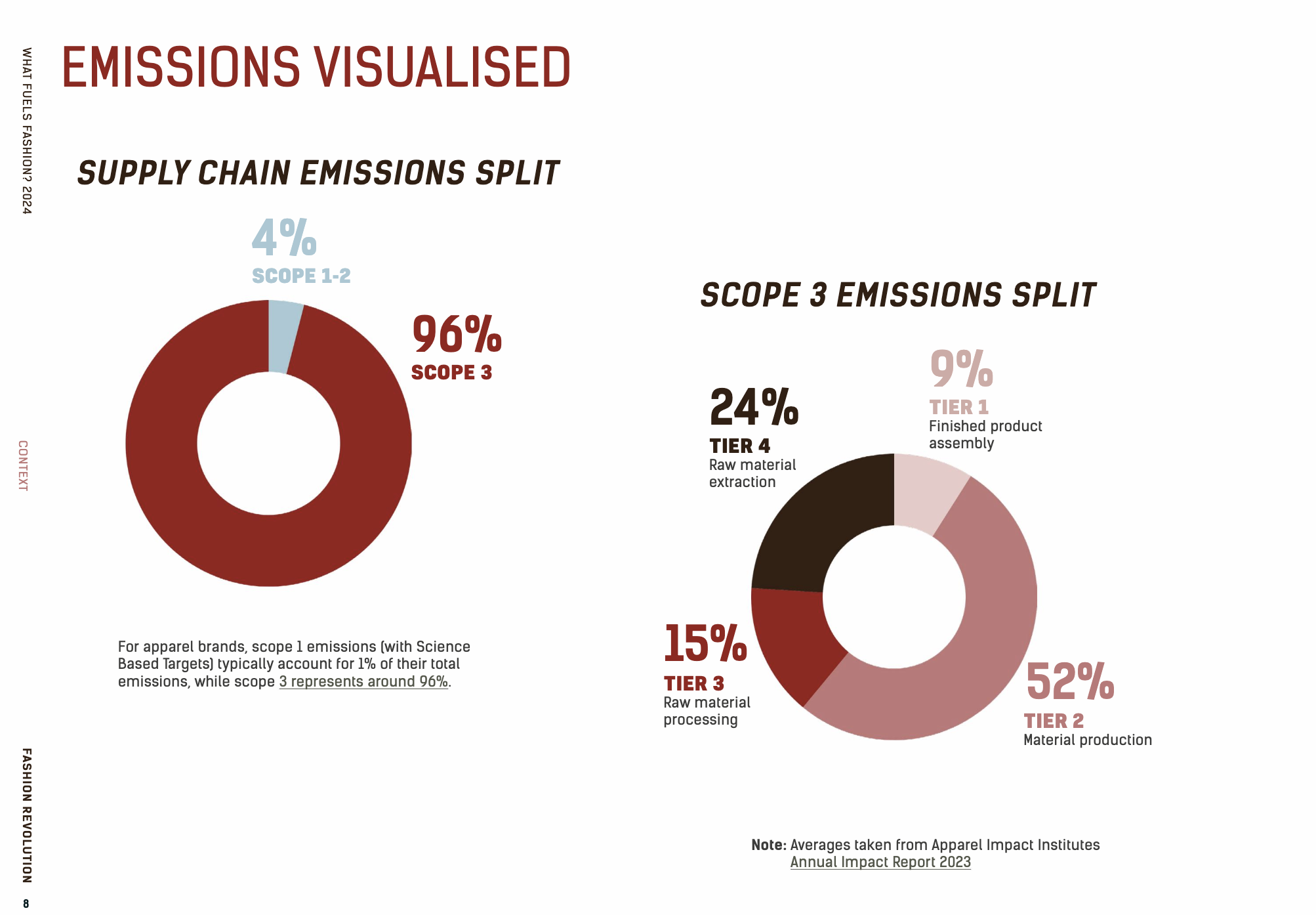
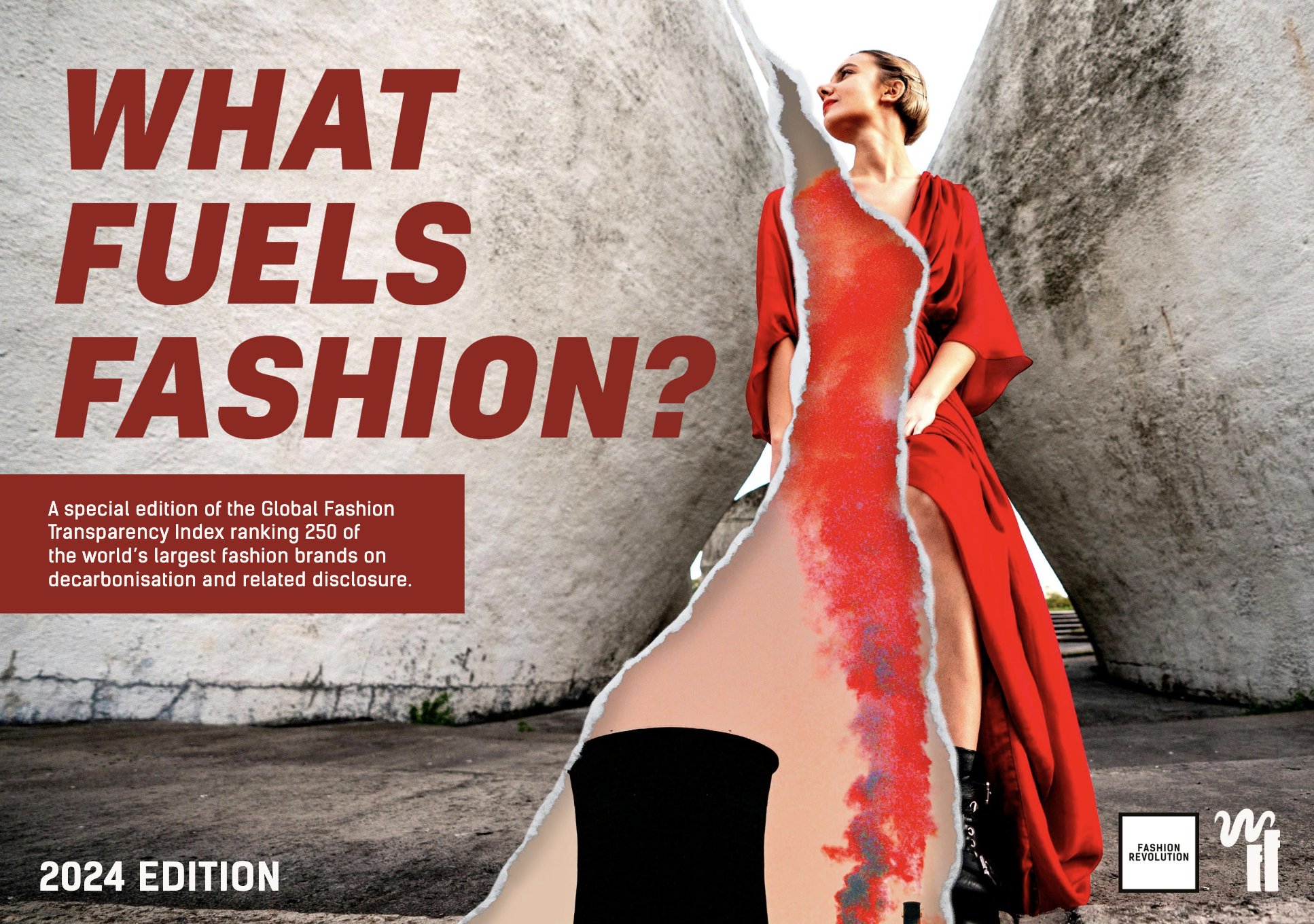
A study showed that most fashion brands disclose more information about their direct emissions (Scope 1 and 2) than Scope 3, which accounts for over 95% of their total footprint. Scope 3 data is often buried in complex charts or vague language, making it harder for the public to assess the true impact. Vogue Business
THE OPPORTUNITY
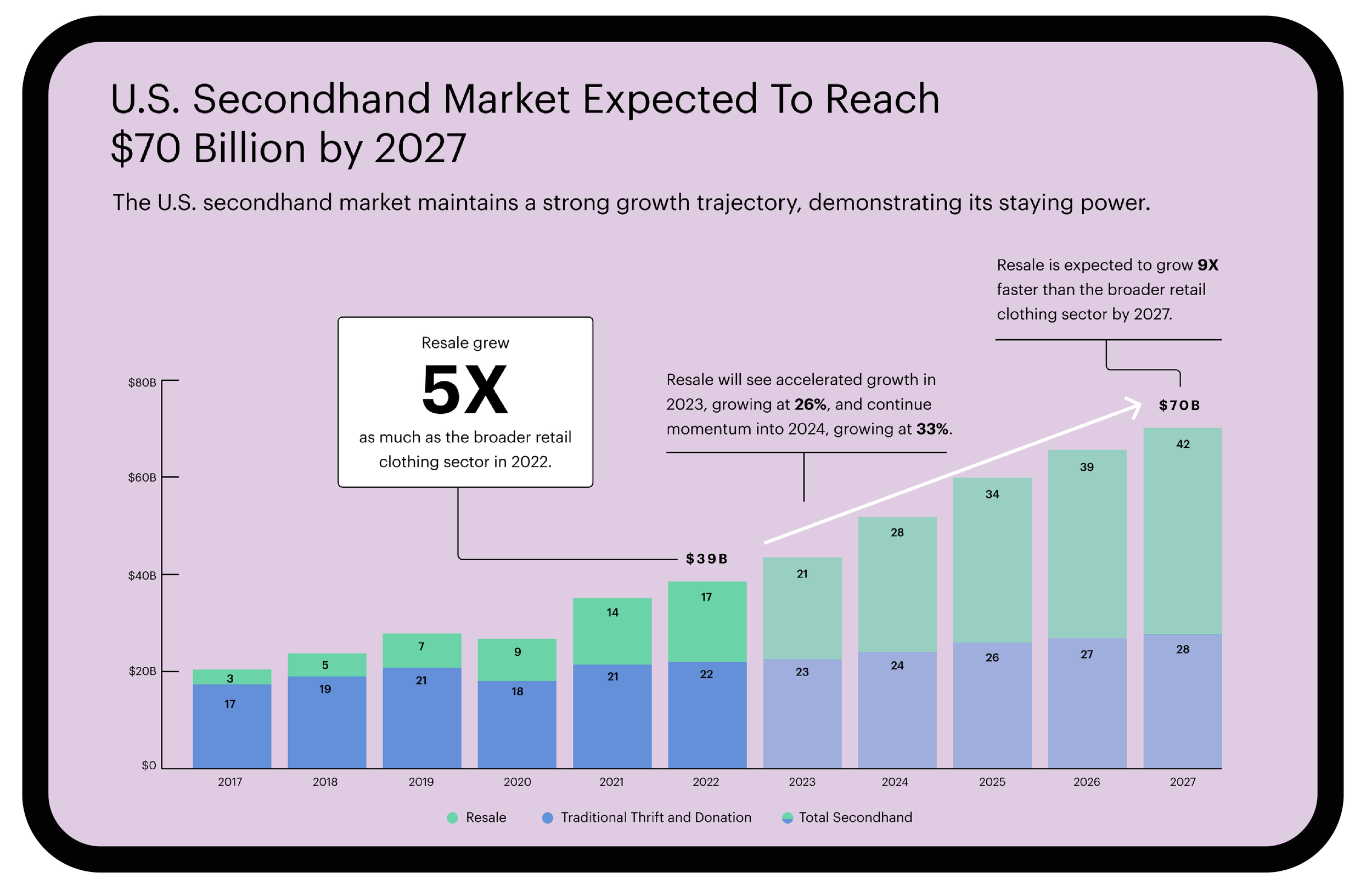
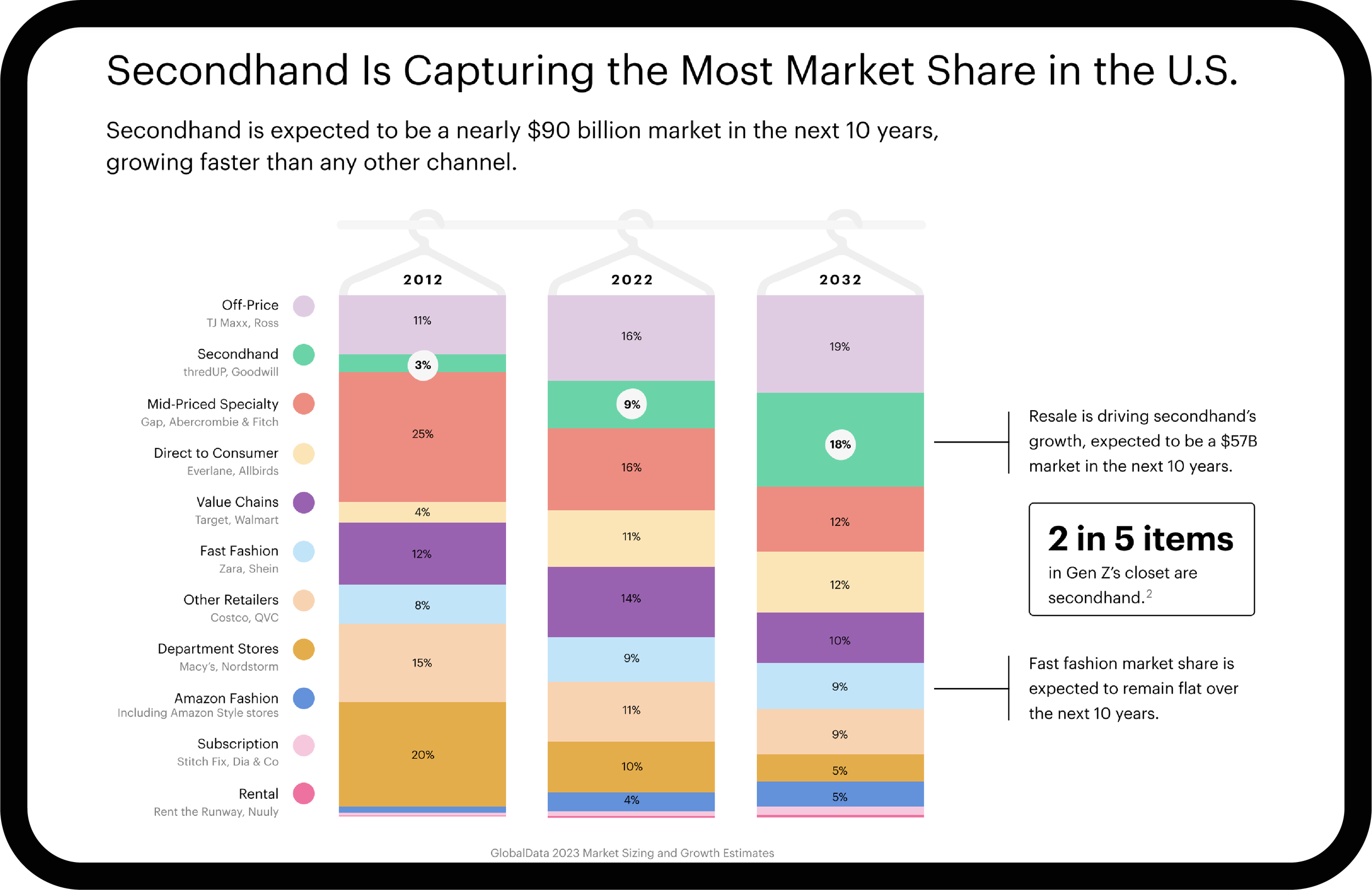
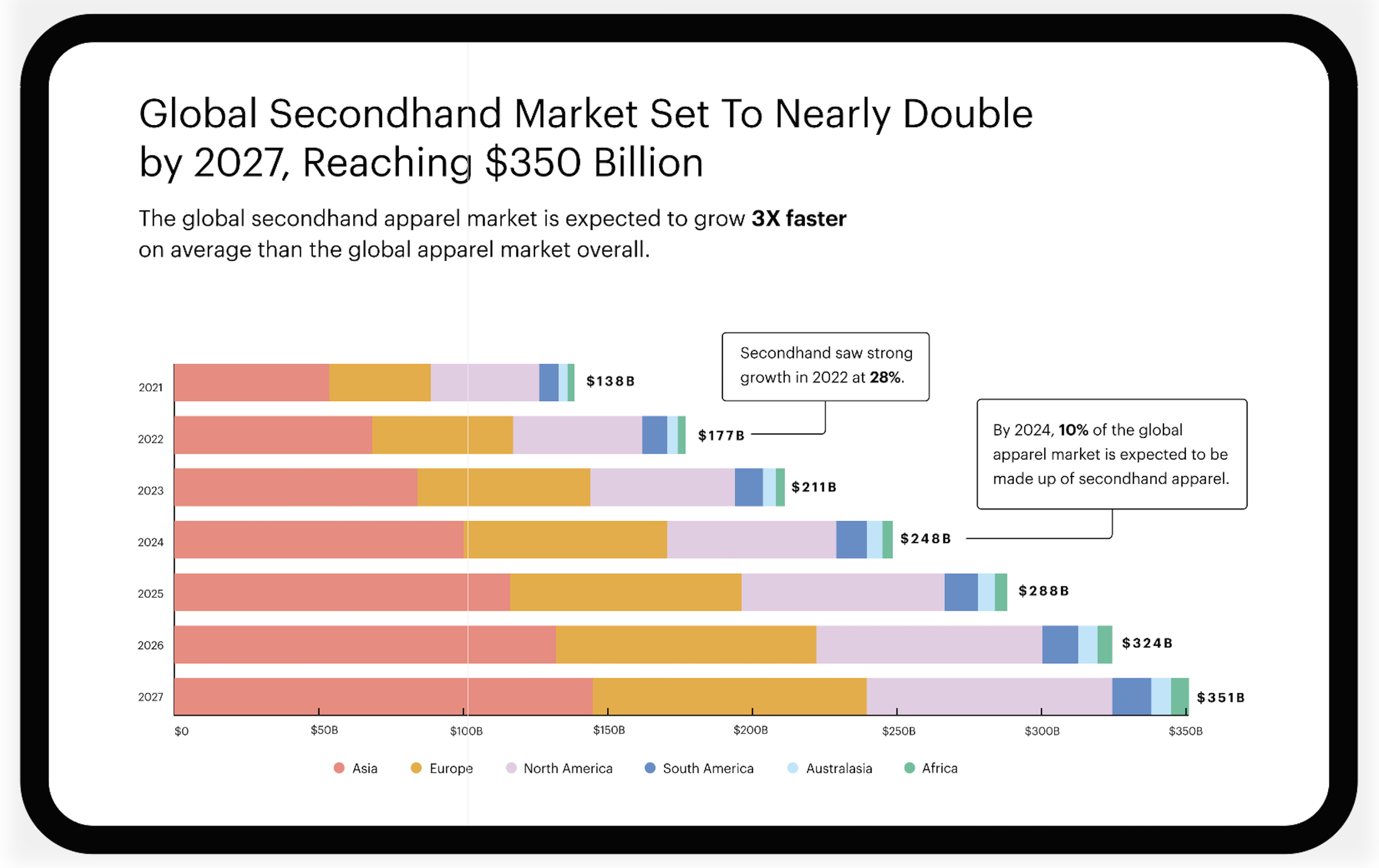
The US Circular Market is $53B+Predicted to reach $70B by 202790B within 10 yearsSecondhand global market set to reach $350B by 2027Online secondhand sales reaching $40B by 2027Secondhand is growing faster than any other clothing market in the USProjected at 18% in the next 10 years, up from just 9% in 2022.
Thred Up Fashion Report

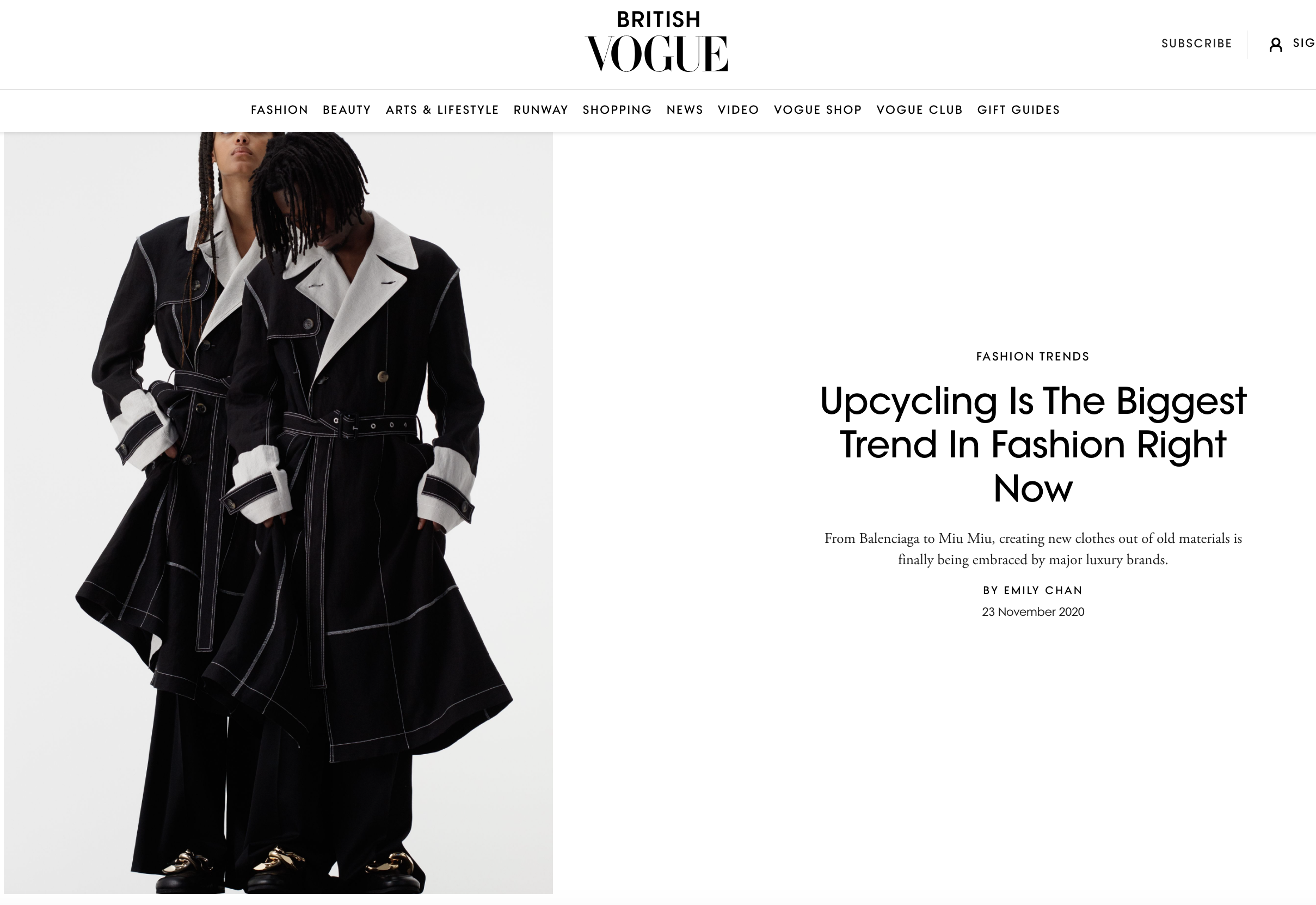


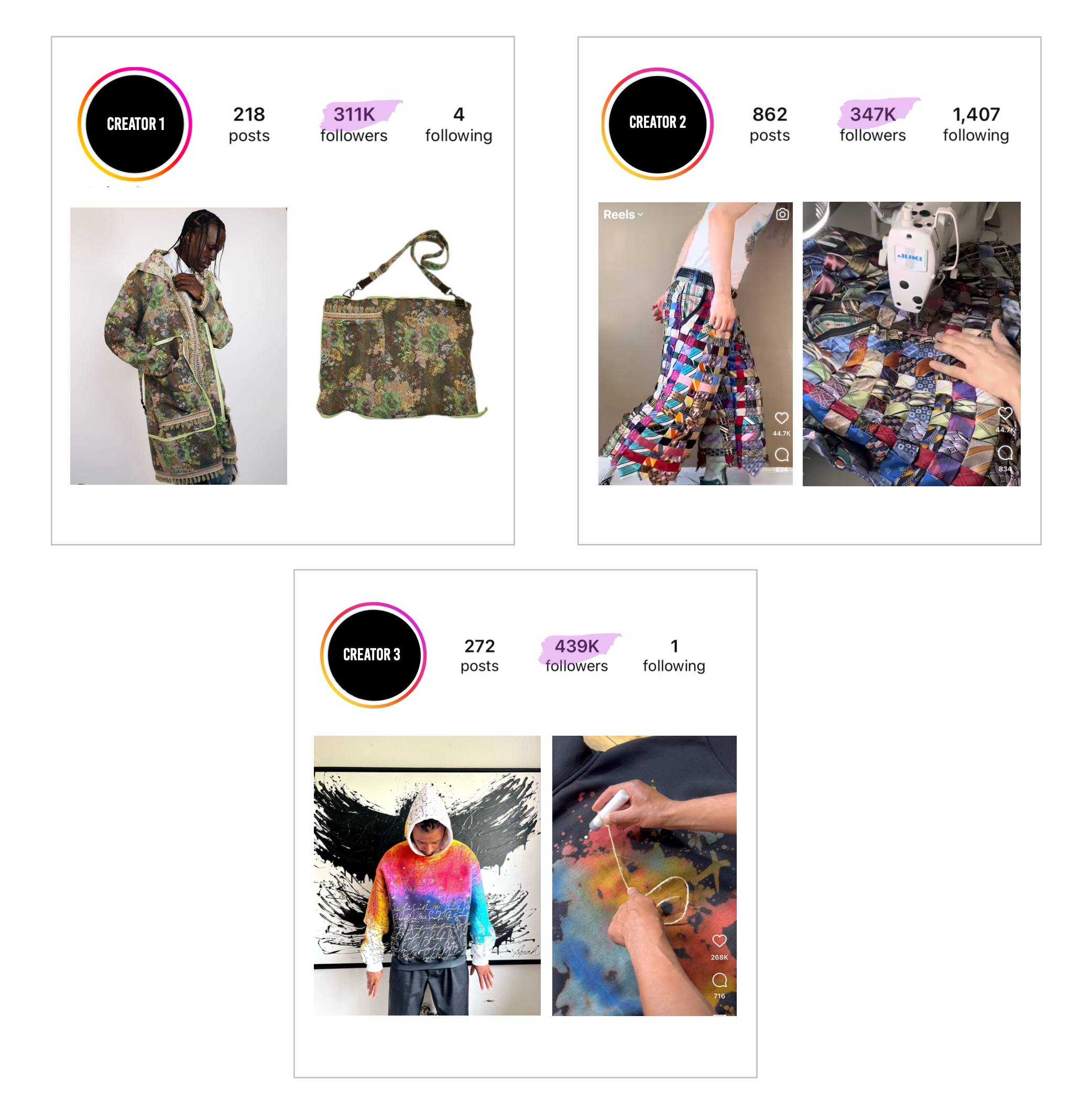
Social media creators and influencers have amassed huge followings with their upcycled and repurposed designs...Yet, despite the traction, few of them are selling due to inconsistent material supply, the complexities of managing an online store and the disconnect in brand standards or price points with other existing resale/retail platforms.Plus, consumer hesitation is real - innovative designs may attract and excite customers, but the risk of losing money on poor quality dissuades them from making that final purchase.
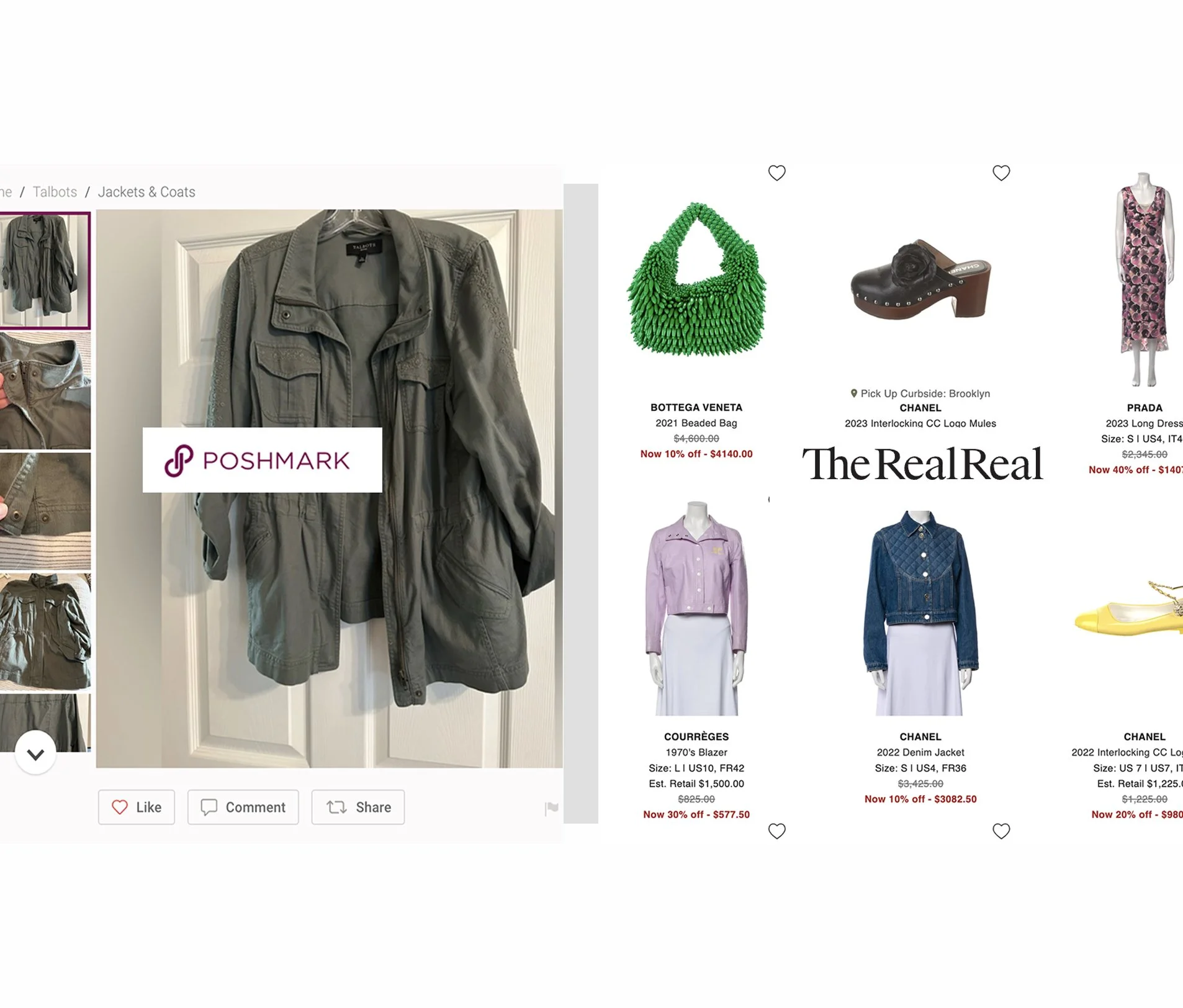
unapproachable thrift - Goodwill can be daunting and off-putting.rotating legacy resale - Louis, Gucci, Prada... not reinventing the wheel.time consumptive, unmitigated C2C - can you trust a single seller at a luxury price point?
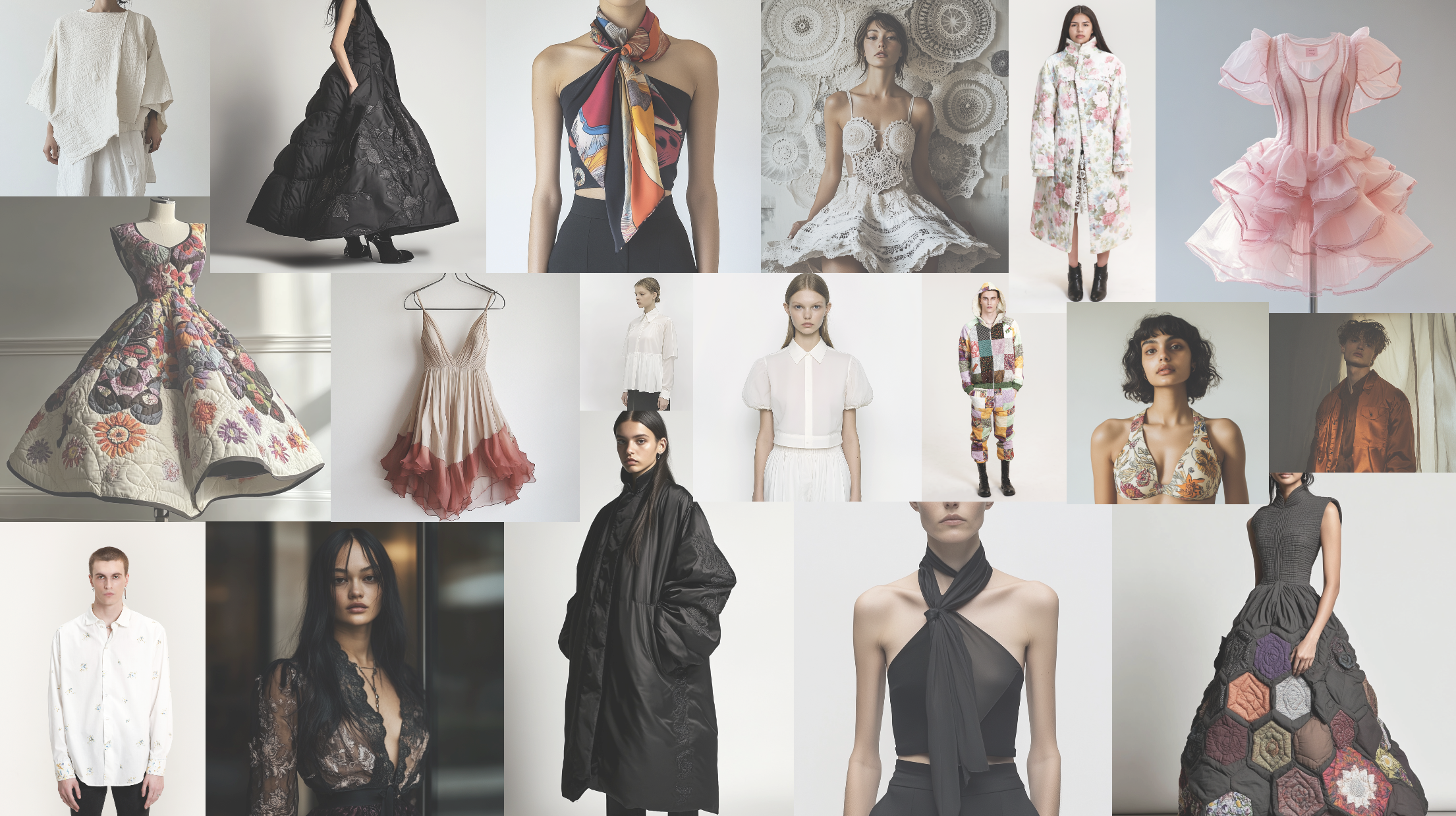
THE NEXT EVOLUTION OF FASHION
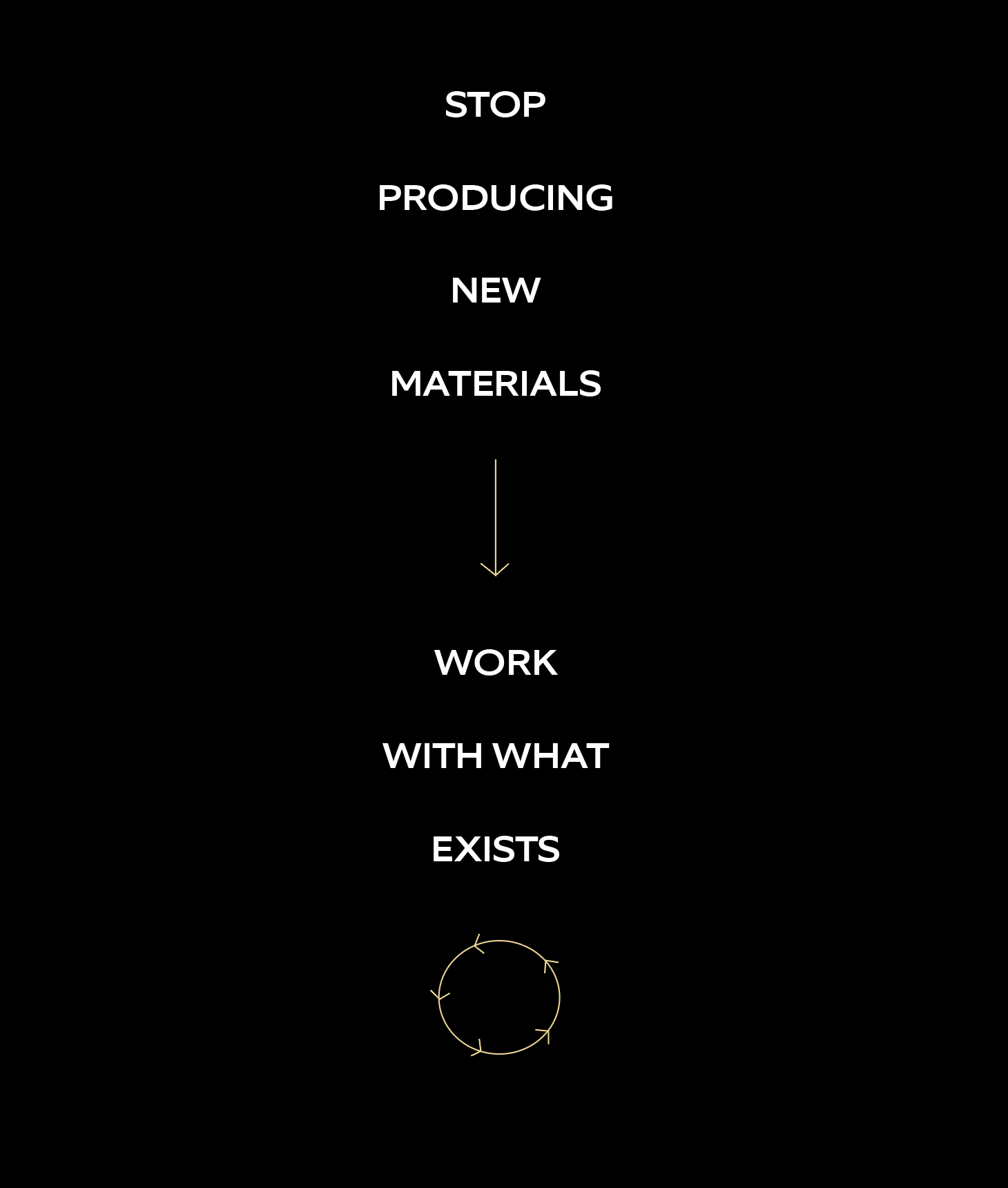
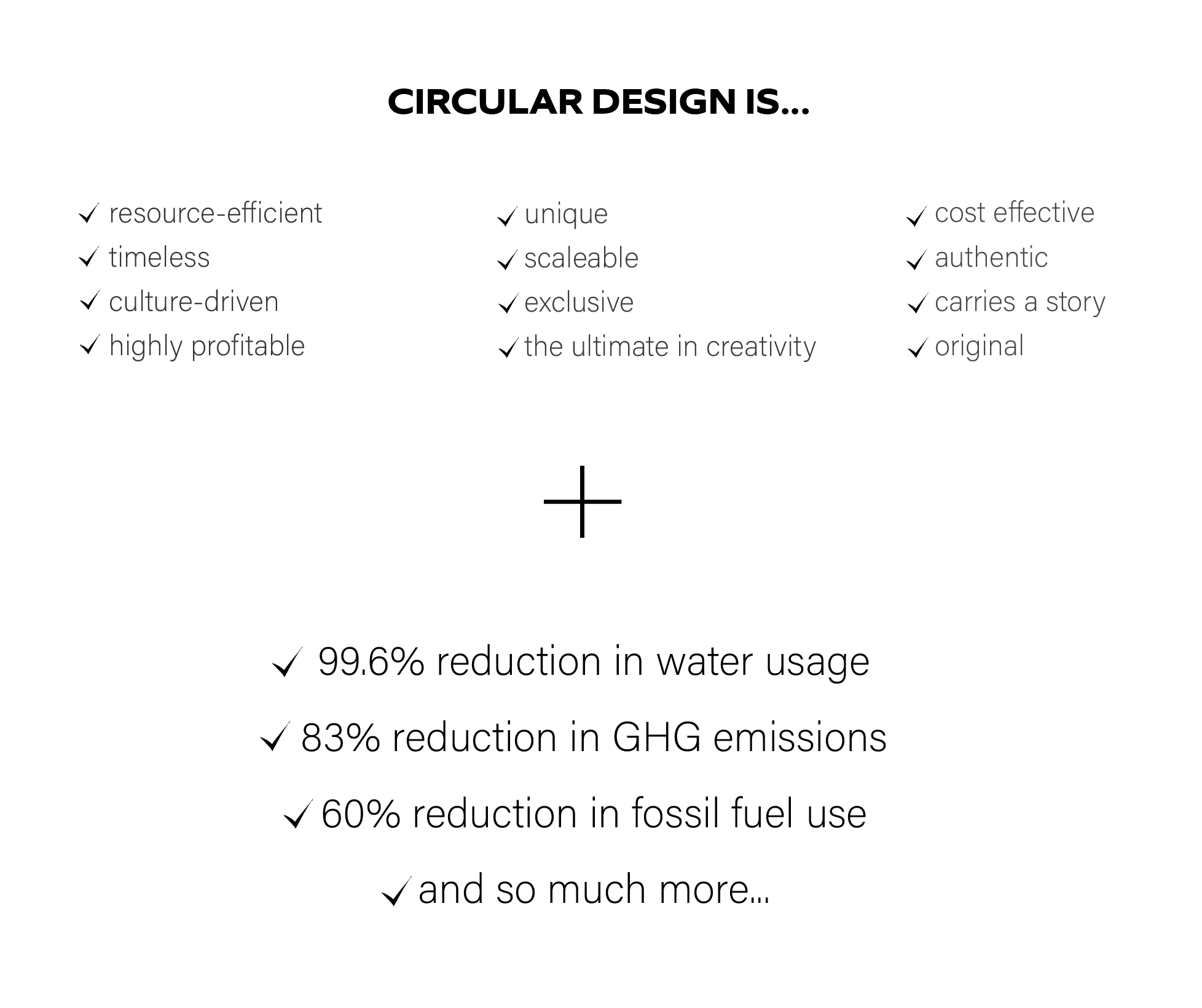

ENTER: AFTRWRD
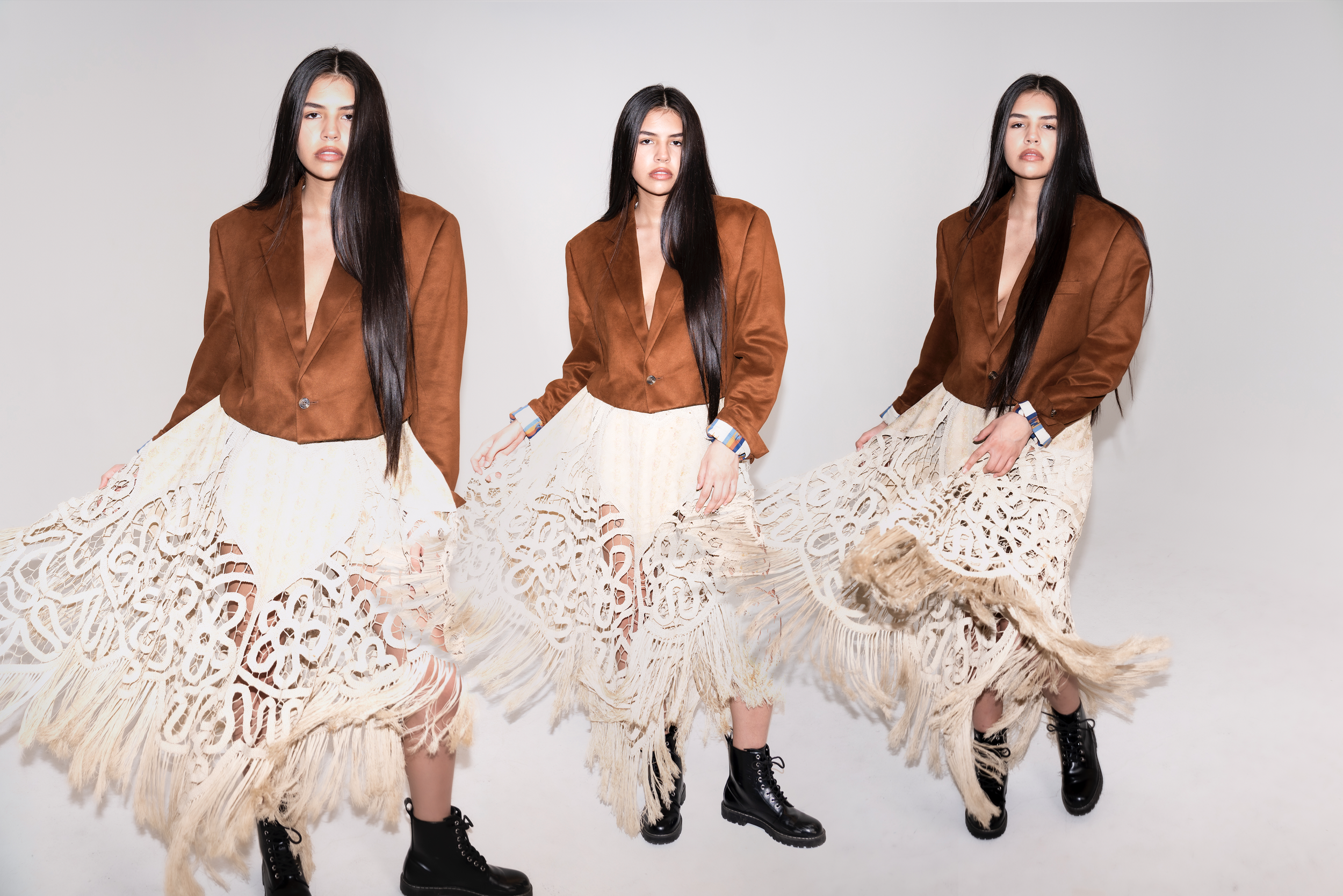
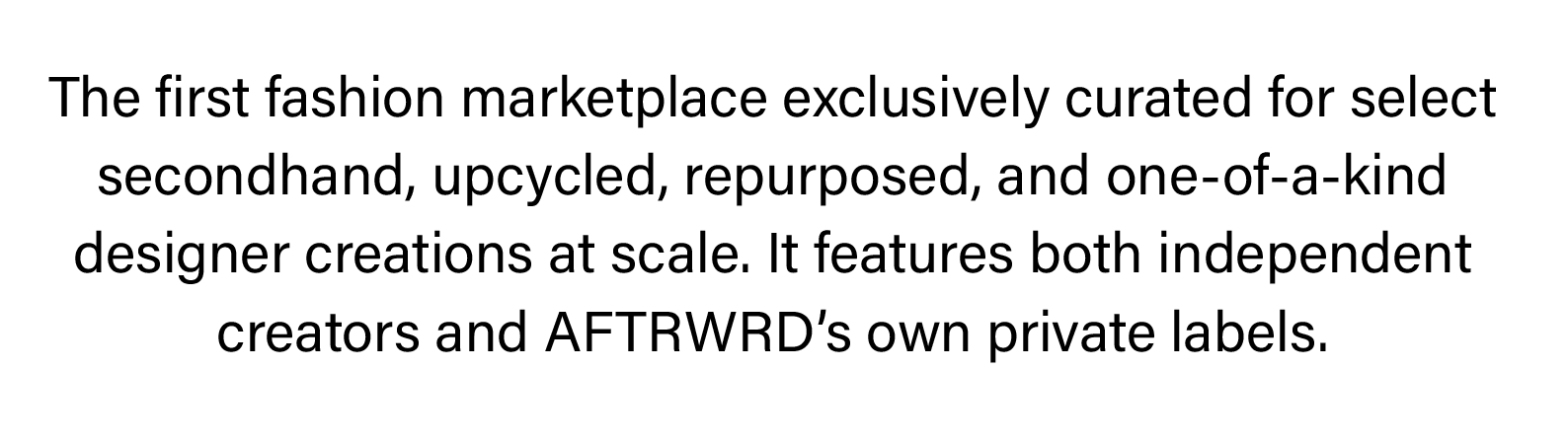
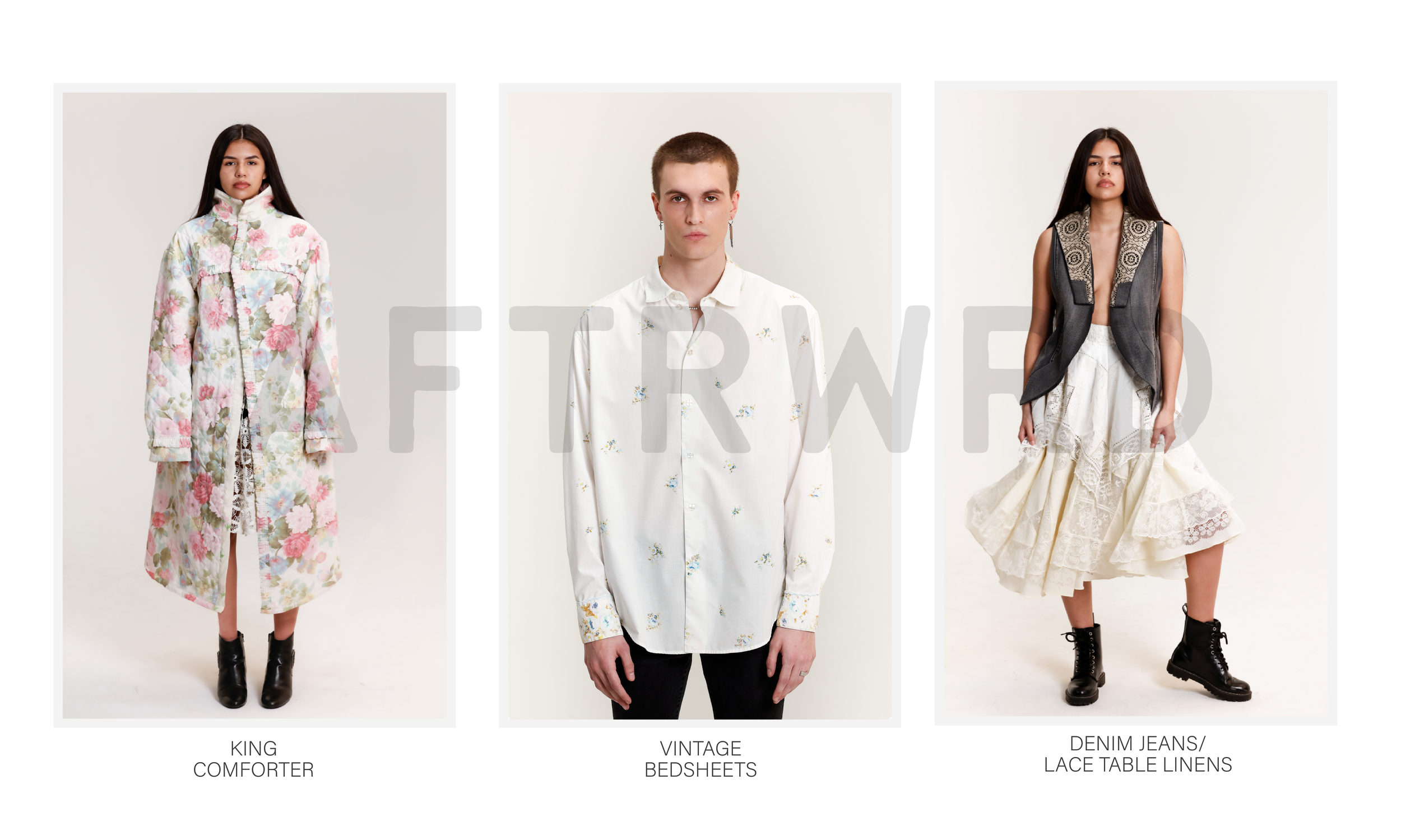
HOW WE’RE DIFFERENT
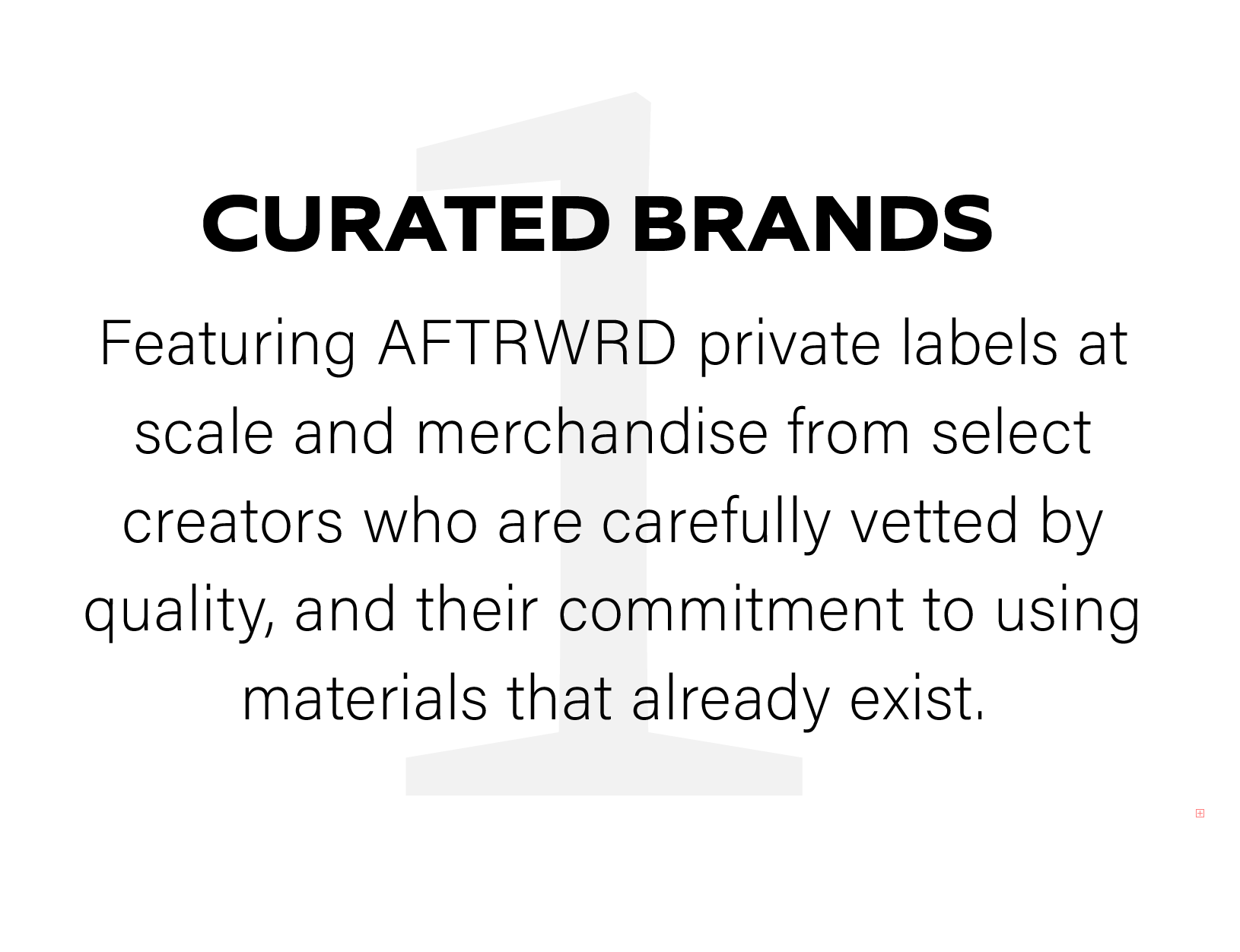
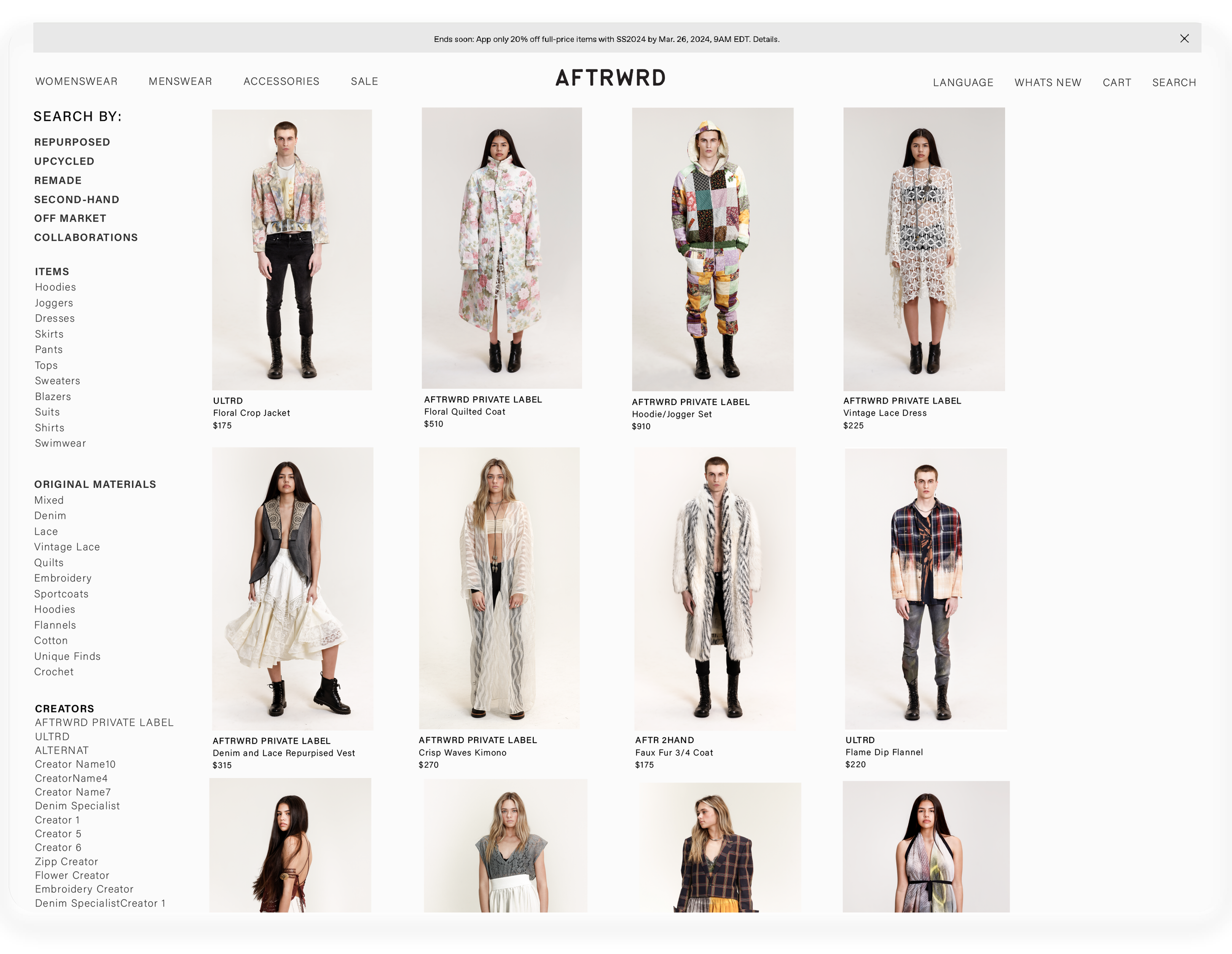
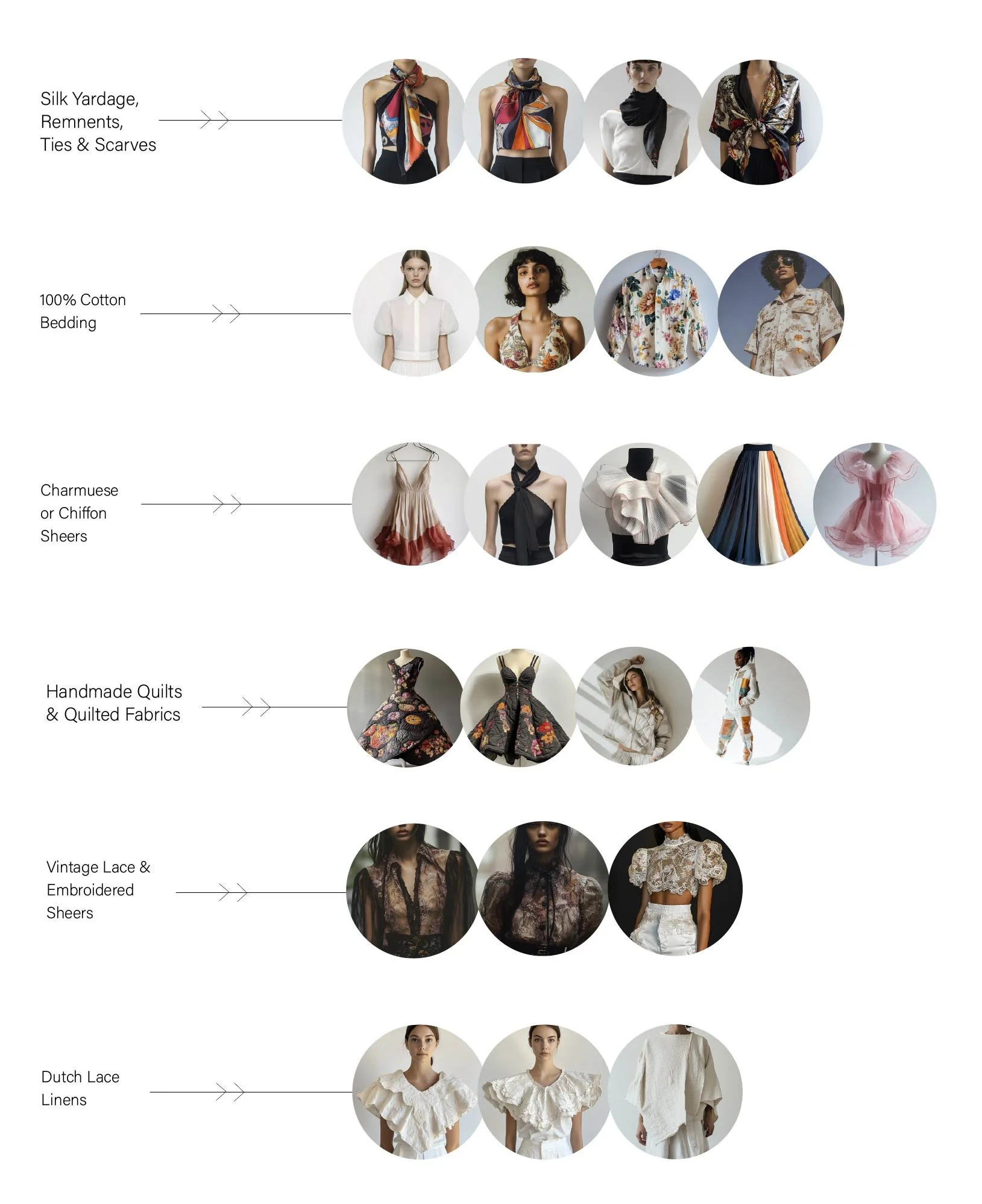
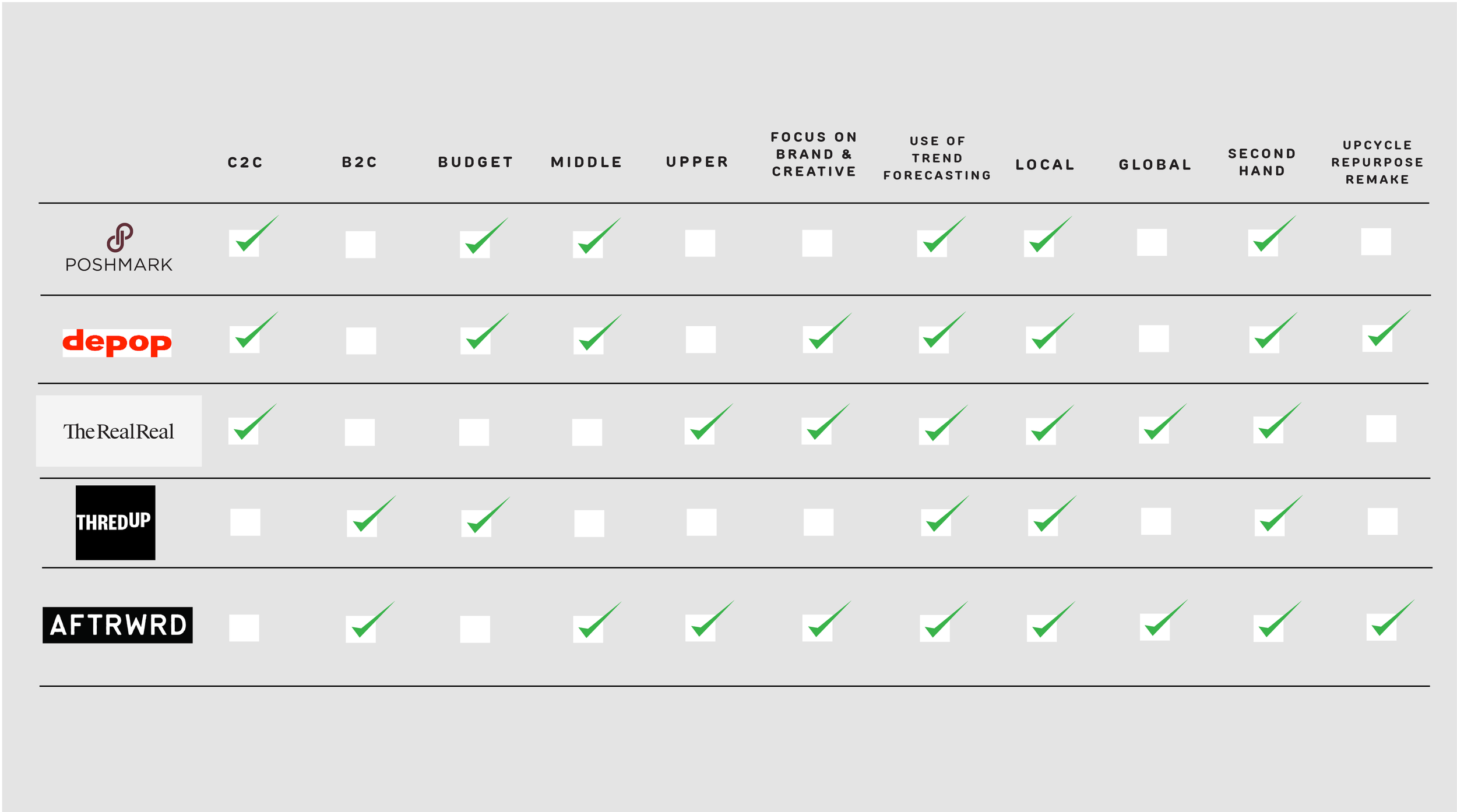
Our proprietary tech will combine computer vision, machine learning, and predictive analytics to categorize, track, and repurpose materials solving the long-standing single SKU (stock keeping unit) problem that has always hindered the ability to reach desirable margins. By taking the process from manual to automated, AFTRWRD will enable designers, brands, and creators to use secondhand materials in their own products across multiple categories. 
FOUNDING TEAM

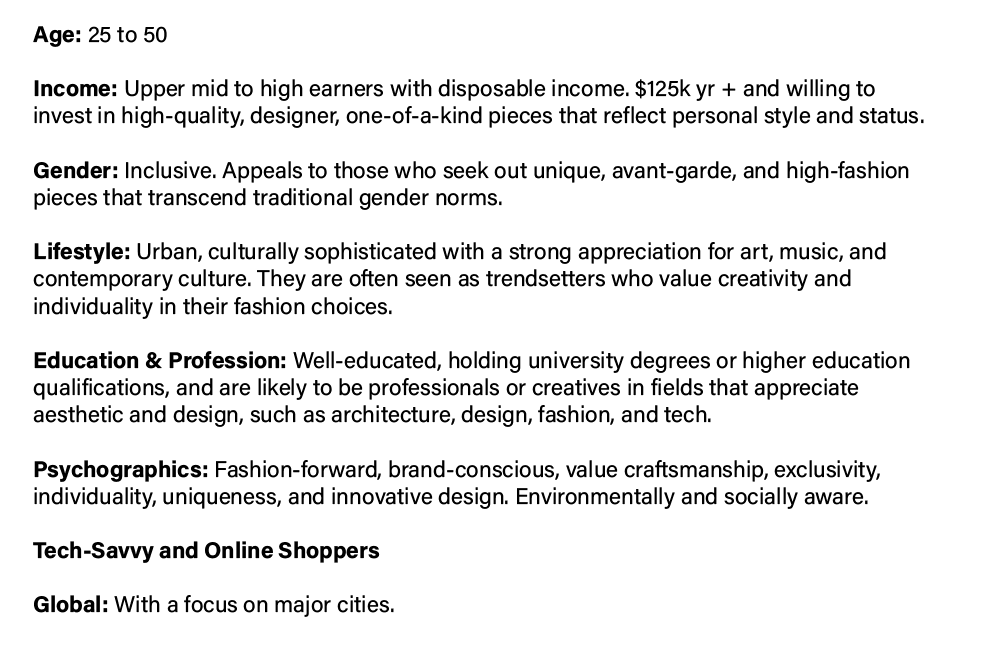
OUR CUSTOMER

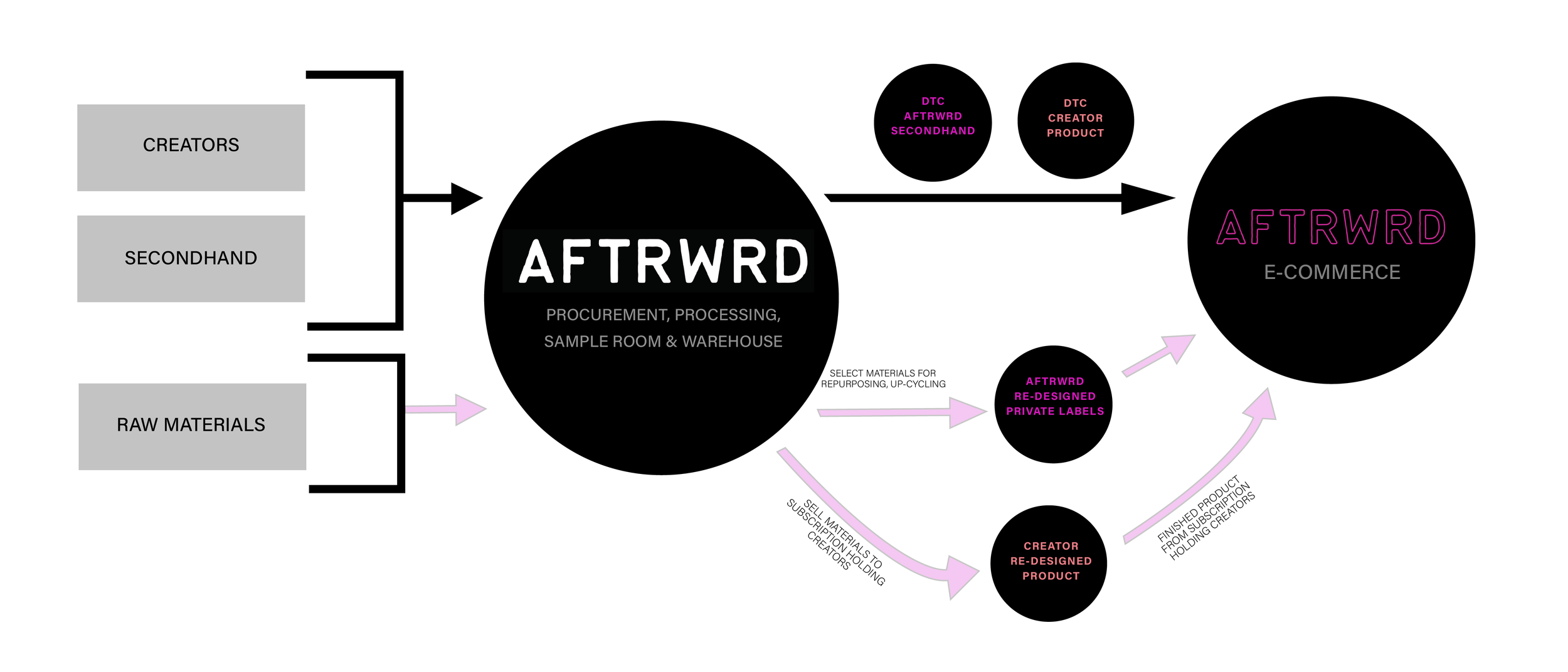
OUR MODEL
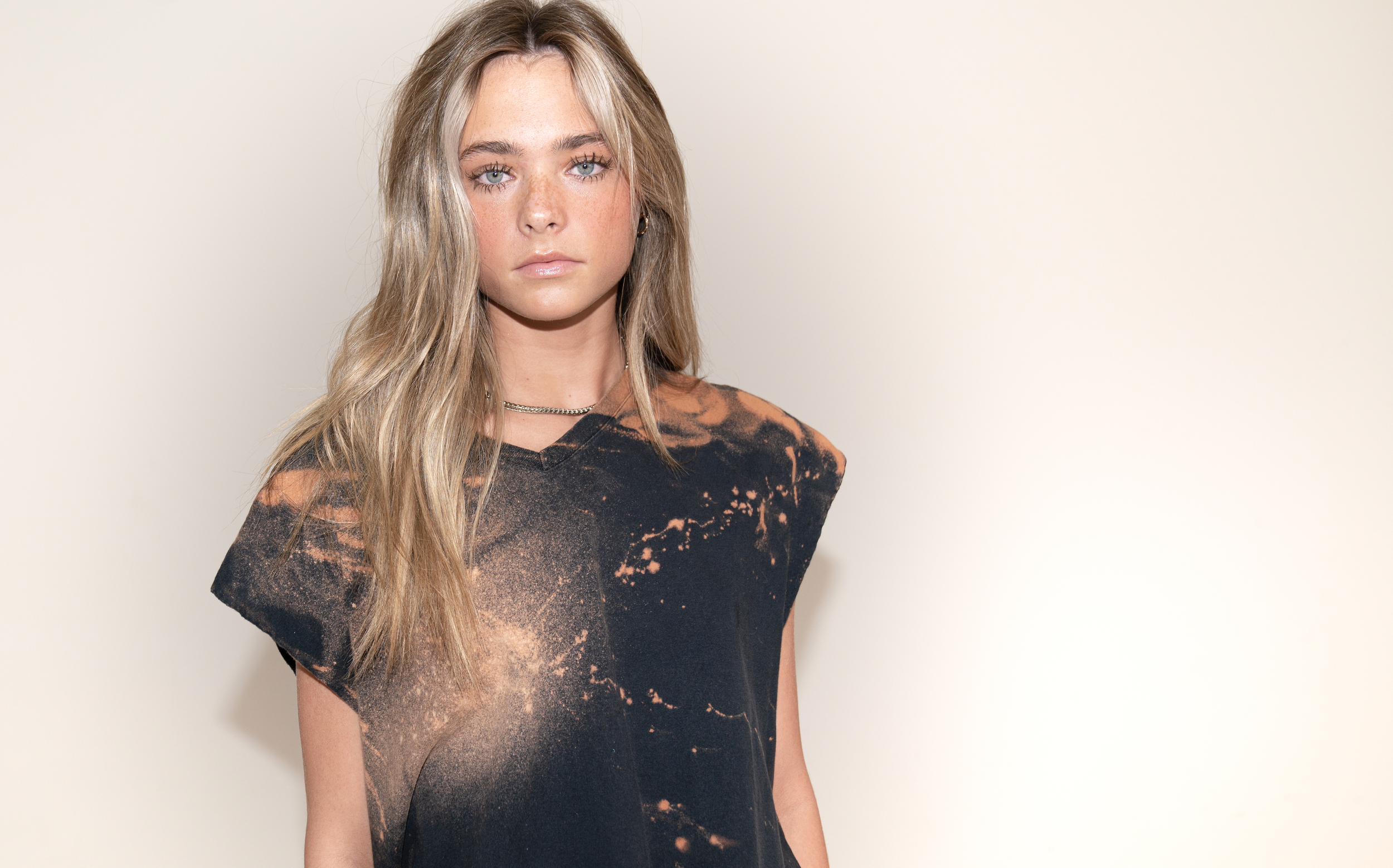
AFTRWRD not only acts as a vendor with its private labels but as a FIRST MOVER in the up-cycling, repurposing space, it inherently manages a connected warehouse/procurement center where secondhand materials are processed and prepared for production. This includes 3D scanning, sorting, and categorizing materials to ensure they meet high-quality standards.
For creators, AFTRWRD provides a subscription option that offers exclusive access to essential tools for scaling their businesses. Subscribers can shop curated raw materials in one central location, utilize our specialized sewing team and production facilities, connect with other creators, and receive promotional/editorial mentions on the AFTRWRD e-commerce platform.
CORE REVENUE
AFTRWRD PRIVATE LABELS: Sales from three proprietary labels offering upscale repurposed, mid-level up-cycled, and direct secondhand luxury fashion items.
CREATOR SALES COMMISSION: Charging a commission of 30% (early onboarders) to 50% on sales made by third party "Creators" producing their own up-cycled and repurposed luxury labels.
OTHER REVENUE DRIVERS
CREATOR & RESALE MEMBERSHIP FEES: Monthly subscription for designers and resellers to access curated materials, production resources, and platform visibility to scale their businesses.
RAW MATERIAL SALES: Direct B2B and B2C sales of high-quality, categorized secondhand textiles, allowing brands, designers, and upcyclers to source ready-to-use materials efficiently.
WHOLESALE SELLING: AFTRWRD produced bulk designer collections, made from repurposed materials, sold at scale to boutiques, retailers, and online platforms.
BIG BRAND OVERSTOCK COLLABORATION: Acquiring unsold or surplus inventory from major retailers, then creatively reimagining, redesigning, or repurposing it for resale at a premium.
LICENSING (FUTURE VISION): Licensing of AFTRWRD’s proprietary AI-driven material tracking, sorting, and visualization technology to brands and manufacturers looking to integrate circular production models into their operations.
PROOF OF CONCEPT
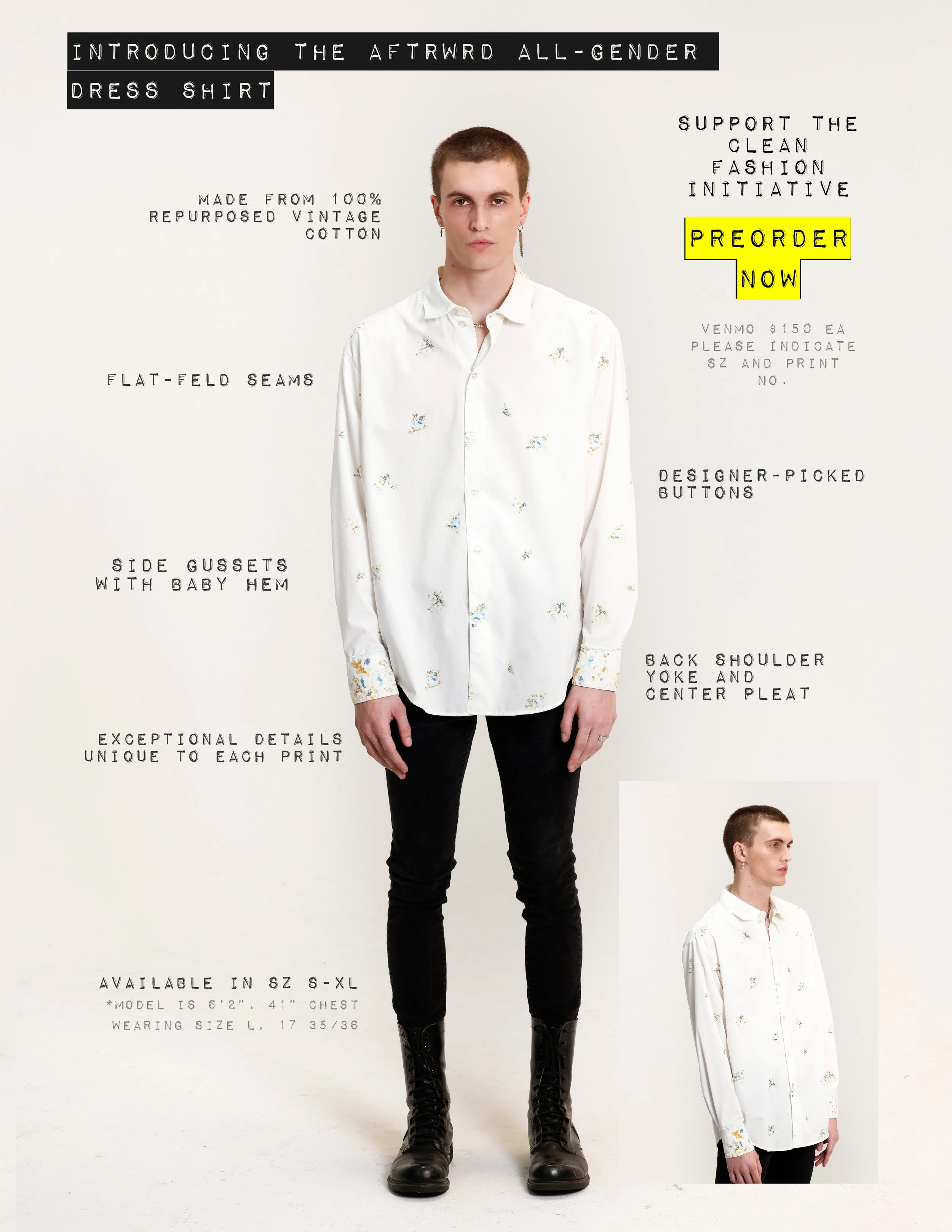
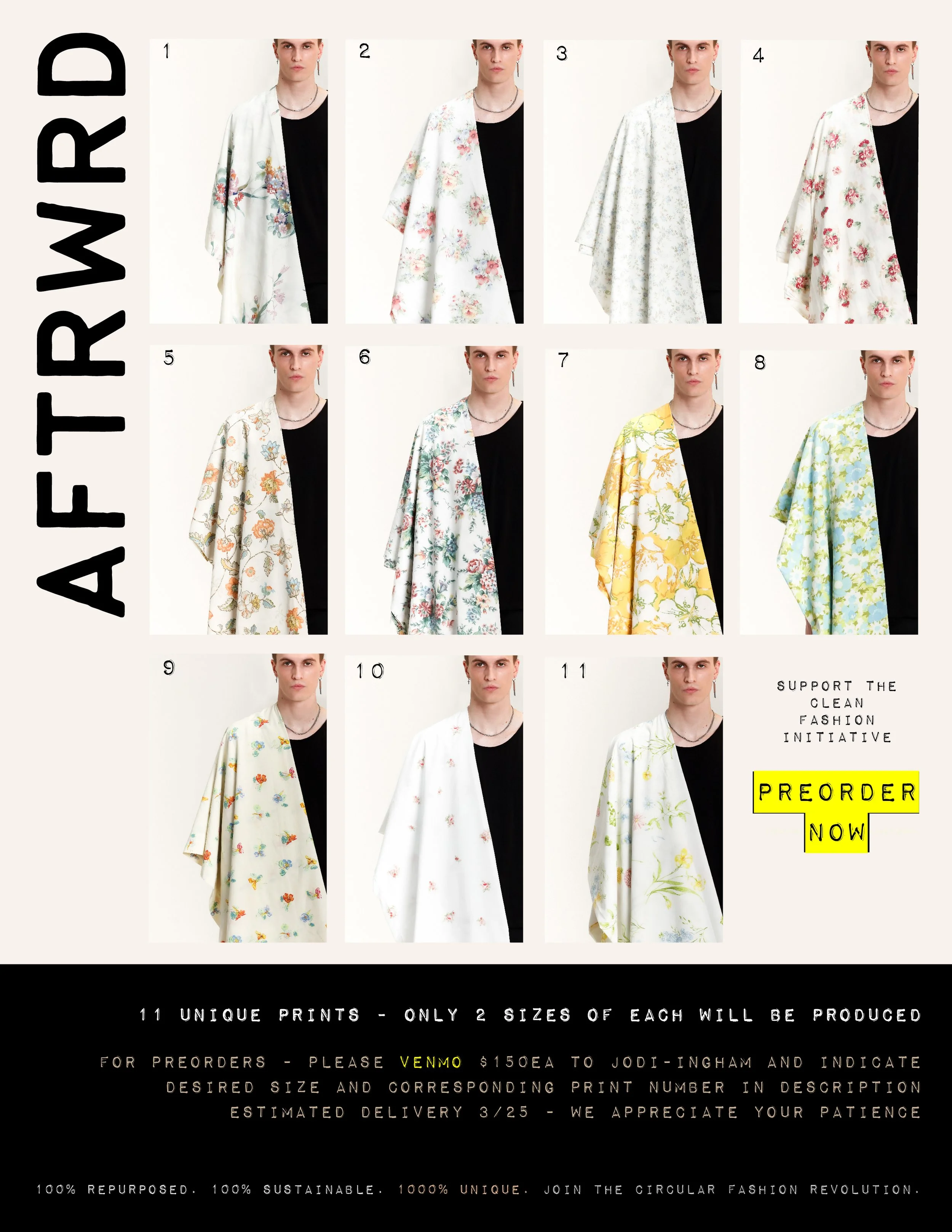
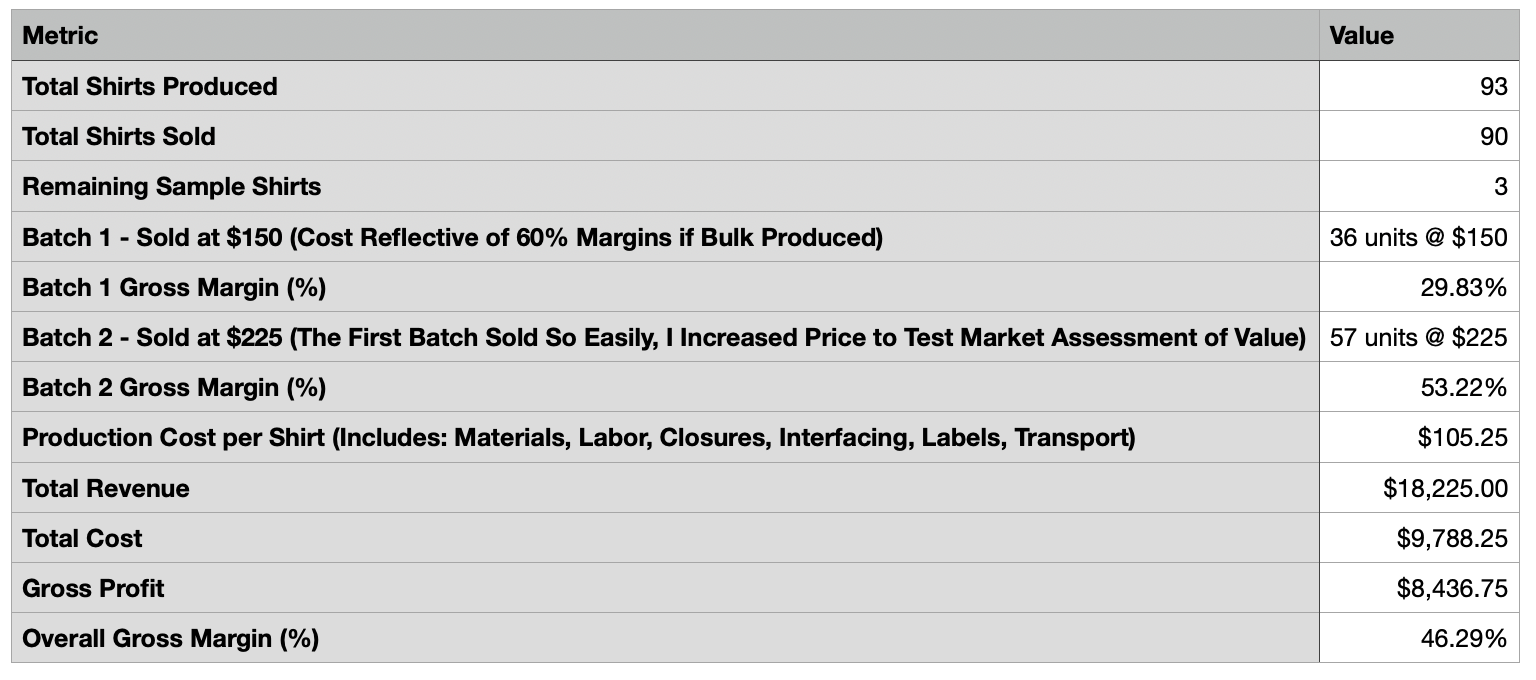
THE EXPERIMENT: To test product viability, I produced 93 dress shirts in the NYC garment sector (literally the highest price production area in the U.S.), and sold 90 units within one month using only word-of-mouth, street sign marketing and social media. The first 36 shirts sold at $150 (a selling price calculated by assuming 60% margins if bulk-produced), but due to the quick sell-thru, I increased the price to $225 for the remaining 57 units. Those also sold through — most customers bought one print and loved it so much they came back for two more unique prints — thus proving strong consumer interest.
New York City - Small Batch Production
Diverse Buyer Interest: Despite initial assumptions that my price points were prohibitive for the middle the middle-class, I was surprised to find that customers were not price sensitive relative to that demographic. I also attracted wealthy urbanites (both male and female), and the age range varied greatly.
Wide Acceptance of Designs: Boisterous prints on the shirts were popular among all genders and sexual orientations, surpassing expectations of market reception.
Production and Scalability: Controlled, predictable output of size ranges per style will be achievable with time and more data.
Logistics: More data will be needed over the next couple of years to get a strong statistical understanding of what types and sizes of materials are available.
Next Steps: 3D scanning is vital for growth. The earlier the better in order to maximize data input and clarify what type of data is needed. An in-house production strategy will cut costs and maximize profits significantly.
Selling Strategy: Considering a bi-weekly drop as part of the Unique Selling Points. Again, consult experts.
OTHER NOTABLE TAKE-AWAYS:
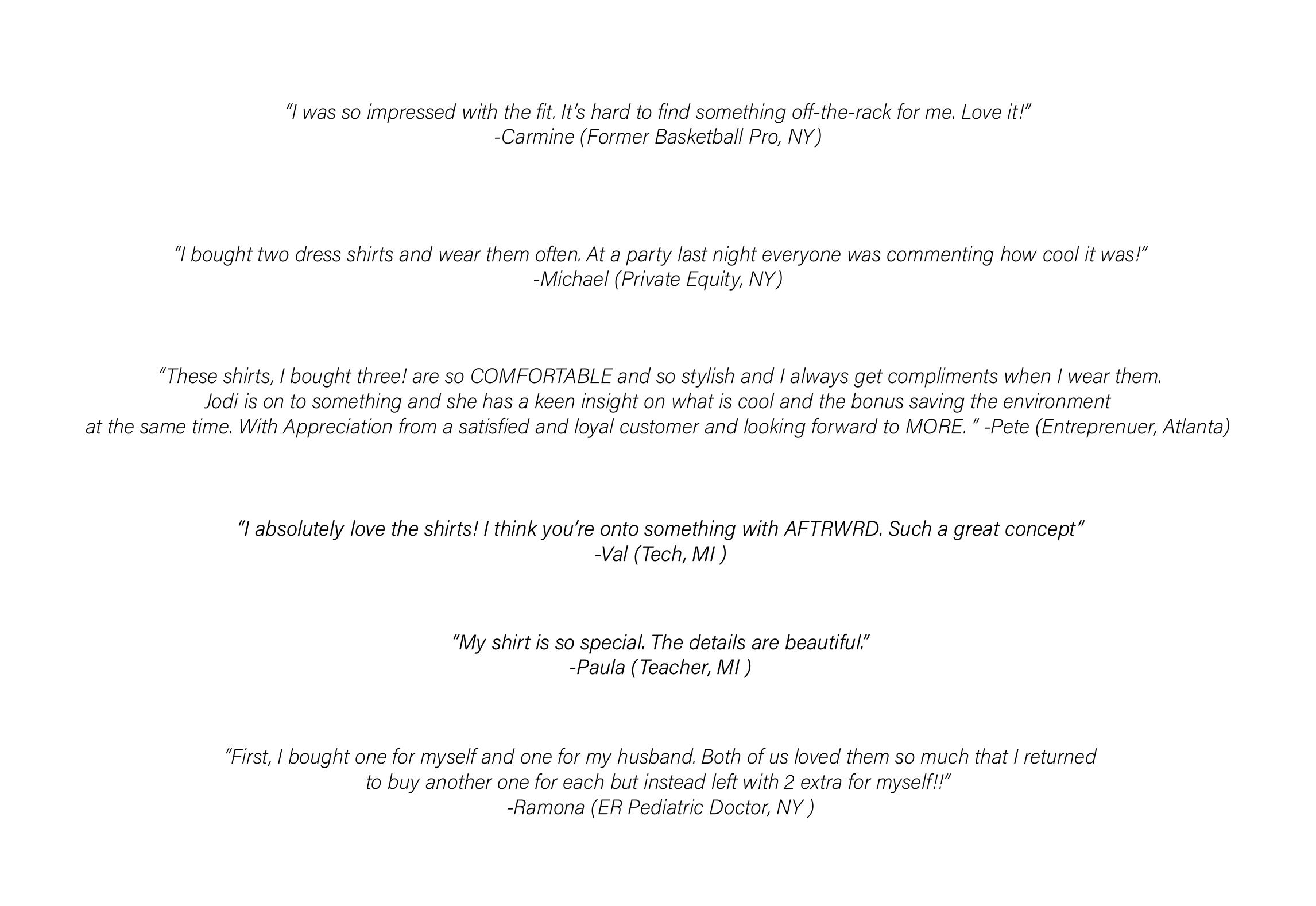
TESTIMONIALS
KEY PARTNERSHIPS
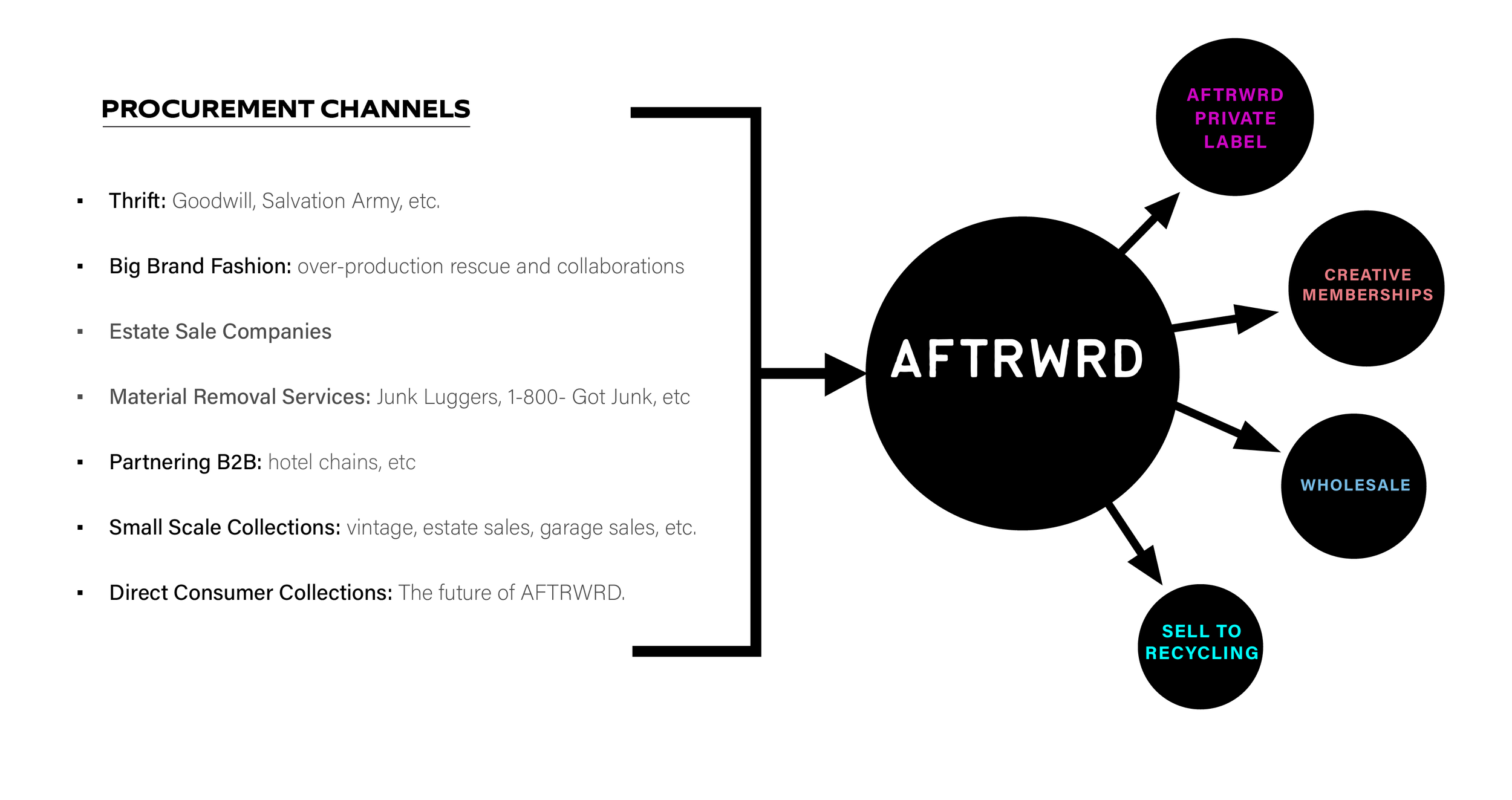
We have developed early collaborations with thrift stores (Goodwill), nationwide estate sale companies, and material removal services (Junk Luggers) for material sourcing.
We are currently developing strategic alliances with recycling centers and technology providers for waste management and tech development.
Creators and influencers, particularly early adopters, offer us a fast-track marketing advantage by leveraging their established audiences.
A future view of alliances with major brands for overstock or bulk mistake rescue pre-landfill to enact creative up-cycling collaborations, leveraging their audience, enhancing both our reputations and preventing waste.
PROFORMA
Available Under NDA
CAPITAL RAISE
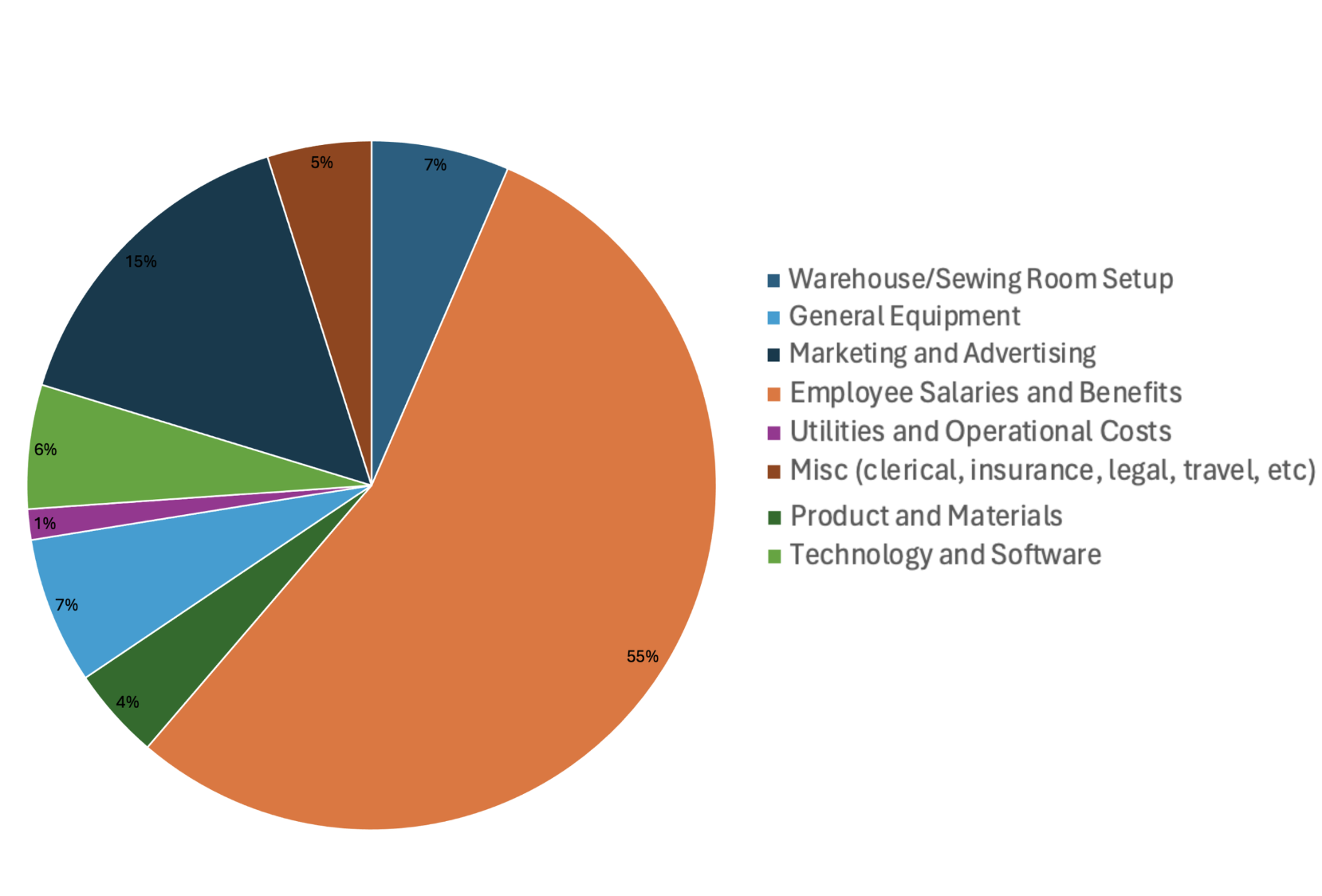
Seeking $2mm equity seed round.
Minimum investment $50k, SAFE note.
Garment Production for MVP:
~300 units across ~30 styles, designed and prepped for launch
Average price point: $400 per unit
Estimated margin: 65%
Locally produced in NYC for MVP, optimizing quality & craftsmanship
Mix of staples + avant-garde pieces to drive brand identity & early traction
Supports initial creator partnerships & limited-edition drops
All products manufactured from materials procured, not produced, ensuring sustainability and circularity
WEAR A STORY NOT A FOOTPRINT